
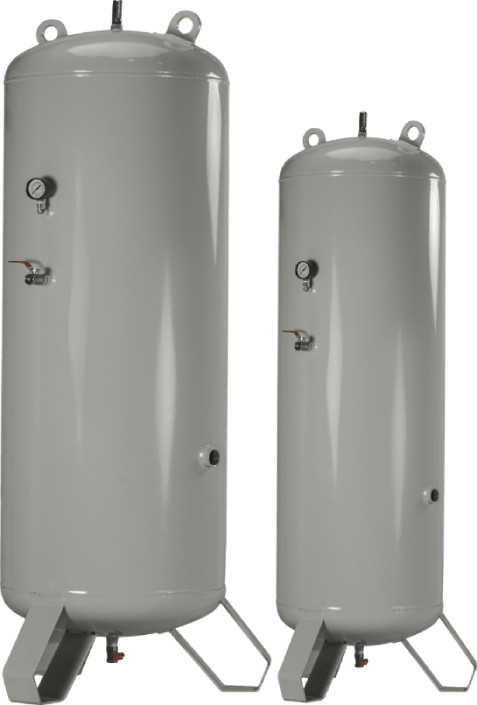
Industrial and commercial operations depend on compressed air for many essential tasks, from powering pneumatic tools to supporting automated machinery and production equipment. While choosing a suitable compressor is important, the overall performance of a compressed air installation also depends on how effectively generated air is stored and managed. An appropriately selected air receiver tank can provide valuable storage capacity while helping businesses handle changing airflow requirements more efficiently.
Compressed air demand is rarely consistent throughout an entire working day. A manufacturing line may require substantial airflow during one production stage and considerably less during another. Workshops can experience similar fluctuations when pneumatic tools are used intermittently. Without adequate storage, the compressor may need to respond repeatedly to these changes. A receiver provides a buffer between air generation and consumption, allowing the system to respond more smoothly to temporary variations.
Why Compressed Air Storage Matters in Industry
A compressor generates compressed air according to its operating capacity, but connected equipment consumes air according to its own requirements. These two processes do not always happen at the same rate. When demand suddenly rises, available system pressure can decline if the compressor cannot immediately provide enough additional airflow.
Stored compressed air helps address this challenge. During periods of lower demand, excess compressed air can be accumulated. When consumption temporarily increases, the stored volume can supplement compressor output. This arrangement can help maintain more consistent pressure for equipment that depends on a reliable air supply.
Storage can be particularly useful in facilities with intermittent pneumatic applications. Instead of expecting the compressor to react instantly to every short-term demand increase, the system can draw from the available reserve. This makes storage an important consideration when designing a practical compressed air installation.
How Receiver Capacity Affects Compressor Operation
The capacity of the receiver should be matched to the requirements of the complete system. Choosing a tank simply because it fits a particular compressor can overlook important factors such as peak airflow, operating pressure, demand patterns, and equipment usage frequency.
A facility with significant fluctuations may require greater storage capacity than an operation with relatively predictable demand. Short bursts from pneumatic tools, production machinery, or automated equipment can create temporary requirements that differ substantially from average consumption.
Adequate storage can also help reduce unnecessary compressor cycling. Frequent starts and stops may increase mechanical and electrical stress over time. By supplying stored air during temporary demand changes, the receiver can help create more controlled operating cycles when the overall system is designed correctly.
However, storage should not be considered a replacement for correctly sizing the compressor. If an installation has sustained demand that exceeds compressor capacity, increasing storage alone will not resolve the fundamental supply problem. Compressor output and storage volume should therefore be evaluated together.
Selecting the Right Tank for the Operating Environment
Industrial environments vary considerably, making application-specific equipment selection essential. A tank used inside a clean commercial facility may have different requirements from one installed in a humid manufacturing environment or exposed industrial location.
Operating pressure is one of the most important factors. The receiver must have a suitable pressure rating for the compressed air system and comply with applicable safety requirements. Businesses should also consider material construction, corrosion exposure, installation conditions, and available maintenance access.
Moisture management is another consideration. As compressed air cools, condensation can collect inside storage equipment. Appropriate drainage arrangements and regular maintenance help manage accumulated moisture and support dependable operation.
In environments where corrosion resistance is particularly important, specialized tank construction may be appropriate. Galvanized options can be considered for applications where additional protection against corrosion is desirable. The final choice should always reflect actual environmental and operating conditions.
How Storage Complements Different Compressor Types
Receiver tanks can work alongside several types of compressors. Screw compressors are commonly used where continuous compressed air is required, while piston compressors can be suitable for applications with intermittent demand. Both systems can benefit from appropriate storage when the receiver is correctly sized.
For businesses using portable gasoline-powered compressors, storage may also provide additional flexibility in applications where air consumption changes throughout a task. The combination of compressor capacity and stored air can help accommodate short periods of increased demand without relying entirely on immediate compressor output.
Other system components also influence compressed air performance. Air dryers and filtration equipment can help address moisture and air-quality requirements, while distribution piping determines how effectively air reaches points of use. A receiver should therefore be viewed as one component of a complete compressed air solution rather than an isolated product.
Understanding the relationship between these components makes it easier to build an installation around actual operational requirements. Businesses can then select equipment according to pressure, flow rate, environment, power availability, and frequency of use.
What Should Businesses Check Before Installation
Before installing a receiver, businesses should review their current and expected compressed air consumption. Equipment specifications can provide useful information about required pressure and airflow, but real operating patterns should also be considered.
Peak demand is especially important because occasional high-consumption events may affect system performance even when average demand appears moderate. Production schedules, simultaneous equipment operation, pneumatic tools, and seasonal changes can all influence requirements.
Installation location should also be evaluated carefully. The receiver should be positioned where it can be safely accessed for inspection and maintenance. Connections, drainage, ventilation, and surrounding environmental conditions should be considered during planning.
Pressure equipment requires responsible operation and maintenance. Businesses should follow applicable regulations, manufacturer guidance, inspection requirements, and workplace safety procedures. Proper care can support dependable operation while helping identify potential problems before they become disruptive.
Conclusion
Compressed air storage can play a valuable role in industrial and commercial systems by creating a buffer between compressor production and changing demand. The right receiver can help support pressure stability, manage short-term airflow requirements, and encourage more controlled compressor operation.
The best results come from selecting equipment according to actual operating conditions rather than relying on a single specification. Pressure, flow rate, compressor type, peak demand, environment, installation requirements, and usage frequency should all be considered. With thoughtful system planning and proper maintenance, compressed air storage can become an important part of a reliable and efficient operation.