

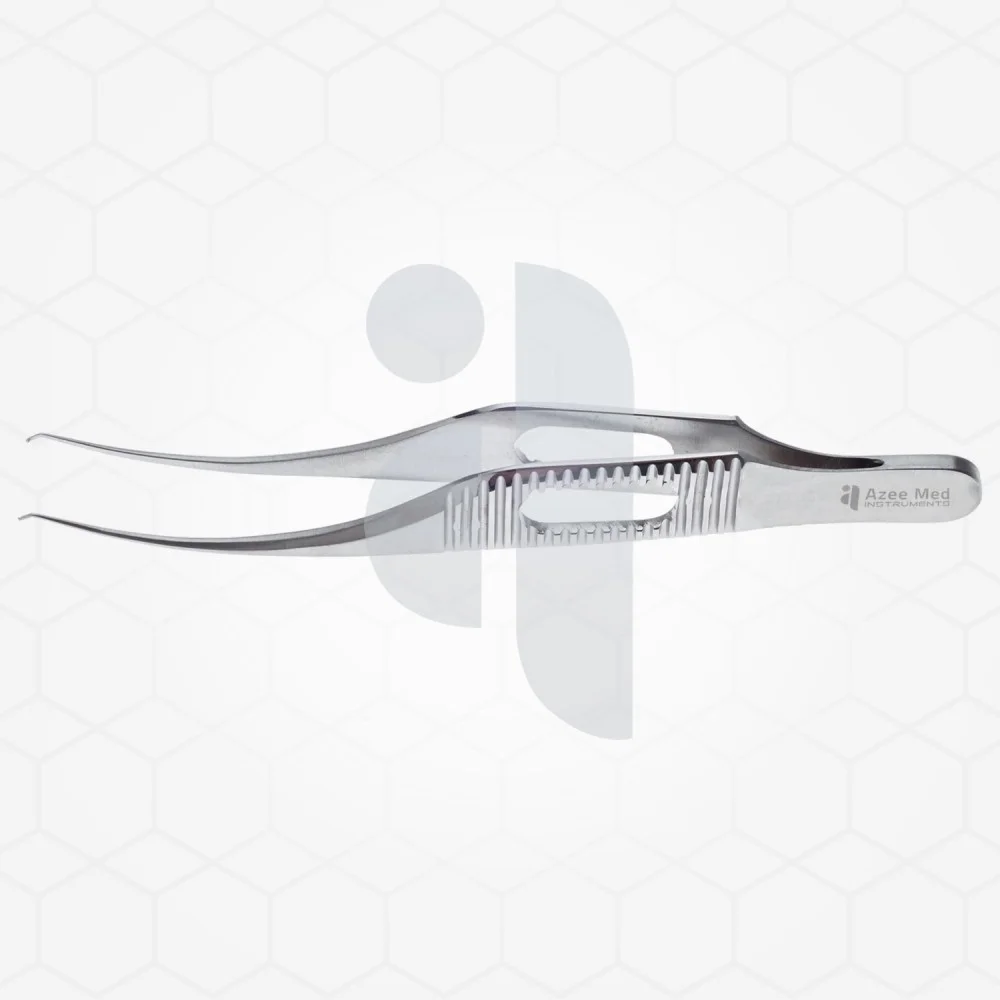
A successful operation starts long before the first incision. It begins with a well-prepared tray and a team that knows exactly which instrument to reach for.When everyone knows each tool by name, handoffs are faster, mistakes are fewer, and patients get safer care. At AzeeMed, we make these medical instruments with that teamwork in mind.Learning surgical tools names helps surgeons, nurses, and buyers speak the same language in the operating room.
Cutting Instruments That Start the Procedure
The scalpel is often the first tool used in surgery. Its sharp blade makes clean, controlled incisions through skin and tissue. Surgical scissors come next. Metzenbaum scissors handle delicate tissue, while Mayo scissors cut tougher tissue and sutures. Have you noticed how many scissor styles exist? Each curve, length, and tip shape serves a specific task. This is why surgical tools names matter so much: they tell the team exactly which cutting edge is needed and when.
Grasping and Holding Instruments
Once tissue is open, surgeons need to hold it steady. Tissue forceps, such as Adson and DeBakey forceps, grip tissue gently without crushing it. Hemostats like Kelly and Mosquito clamps stop bleeding by closing off small vessels. Needle holders grasp the curved needle firmly during suturing. Knowing these surgical tools names lets a scrub nurse pass the right instrument without a pause. In a fast-moving operating room, that speed can make a real difference.
Retractors and Specialty Instruments
Retractors keep an incision open so the surgeon can see and work clearly. Hand-held options like the Army-Navy retractor suit smaller sites, while self-retaining retractors such as the Weitlaner hold tissue in place without an assistant. Many fields also need their own specialty tools. Ophthalmic surgeons rely on micro forceps, orthopedic teams use bone rongeurs and osteotomes, and dentists work with elevators and extraction forceps. Recognizing these surgical tools names across specialties helps hospitals build complete, well-organized instrument sets.
Why Healthcare Professionals Trust AzeeMed
AzeeMed focuses on making surgical instruments of the highest quality for the medical community around the globe. With over two decades of experience, we understand what surgeons expect from every tool they pick up. We furnish you with an array of instruments for various surgical specialties, including plastic, dental, ophthalmic, neuro and spine, and orthopedic surgeries. Each piece is crafted from premium stainless steel, carefully polished, and inspected by hand. That means your instruments stay sharp, balanced, and dependable through repeated sterilization cycles.
Finding the Right Instruments for Your Practice
Choosing the right supplier is about more than price. You need accurate products, reliable delivery, and a team that understands your work. When you search for dandy forceps uses and the instruments behind them, AzeeMed gives you clear product details and expert guidance. Not sure which forceps or retractor fits your procedure? Our team will gladly help you compare options and build the perfect set.
Conclusion
Knowing your instruments is the foundation of safe and efficient surgery. From scalpels and scissors to forceps, clamps, and retractors, each tool plays a role in better patient outcomes. With quality craftsmanship and more than twenty years of experience, AzeeMed delivers medical instruments that surgeons worldwide rely on. Explore our full collection today and equip your operating room with tools you can trust.