
Not every property is the ideal candidate for a shipping container pool, and not every homeowner's needs are best served by a container conversion versus a conventional pool or above ground option. This article gives you an honest framework for assessing whether a container pool makes sense for your specific situation rather than just cheerleading for the concept.
Space Requirements
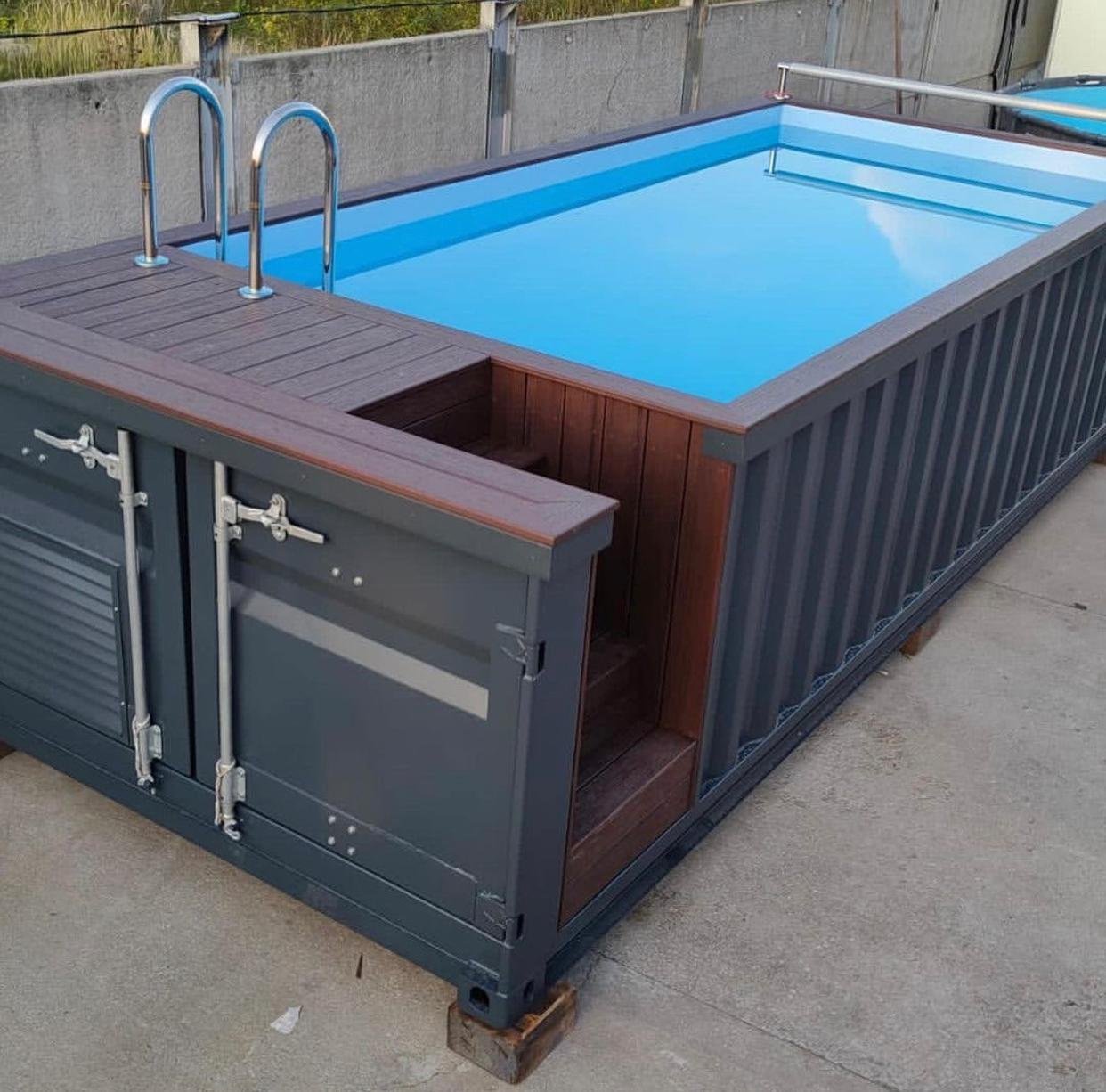
A 20 foot container pool is approximately 20 feet long and 8 feet wide, plus clearance on all sides for access, maintenance, and safety. A 40 foot version needs significantly more yard space. If your backyard is small, think carefully about whether the footprint of the container pool, including the surrounding area needed for decking and access, leaves adequate outdoor living space for other activities.
The best container pool installations occupy a clearly defined area of the yard that is separate from the primary living and recreation space, with the pool becoming a destination rather than a space divider.
Flat vs Sloped Ground
Container pools work best on relatively flat ground. A significant slope requires either substantial leveling work, which adds to the project cost, or creative installation approaches like building a retaining structure to create a level pad. A minor slope can often be managed with site preparation, but a steeply sloped yard may make a container pool impractical or expensive.
Soil and Drainage Conditions
The placement area needs to have adequate bearing capacity to support the weight of the filled container. A standard 20 foot container pool filled with water weighs substantially more than the empty steel structure. In areas with soft soil, expansive clay, or high water tables, a proper base preparation is essential to prevent settlement or movement over time.
Permitting and Neighborhood Considerations
Check local zoning regulations and, if applicable, homeowners association rules before committing to a container pool project. Most municipalities treat container pools as permanent structures subject to pool permitting requirements, which include fencing, setback requirements, and electrical standards.
Neighbor visibility is also worth considering. Container pools have a distinctive visual character that not everyone in a neighborhood will welcome. In areas with dense residential lots, being thoughtful about siting and screening can prevent friction.
What the Right Setup Looks Like
The properties where container pools work best and look best tend to have at least a moderately sized backyard with flat or gently sloped terrain, reasonable access for delivery equipment, and a design aesthetic that is compatible with the industrial character of the container. Finding a shipping container for sale that matches both your project vision and your site conditions is the starting point for a successful container pool build.
Conclusion
Container pools are genuinely impressive when the right property and the right design come together. But the decision deserves an honest assessment of your specific conditions rather than enthusiasm alone. Consider space, ground conditions, permitting requirements, and neighborhood context before committing, and you will be in the best position to make a choice you will be happy with for years to come.