
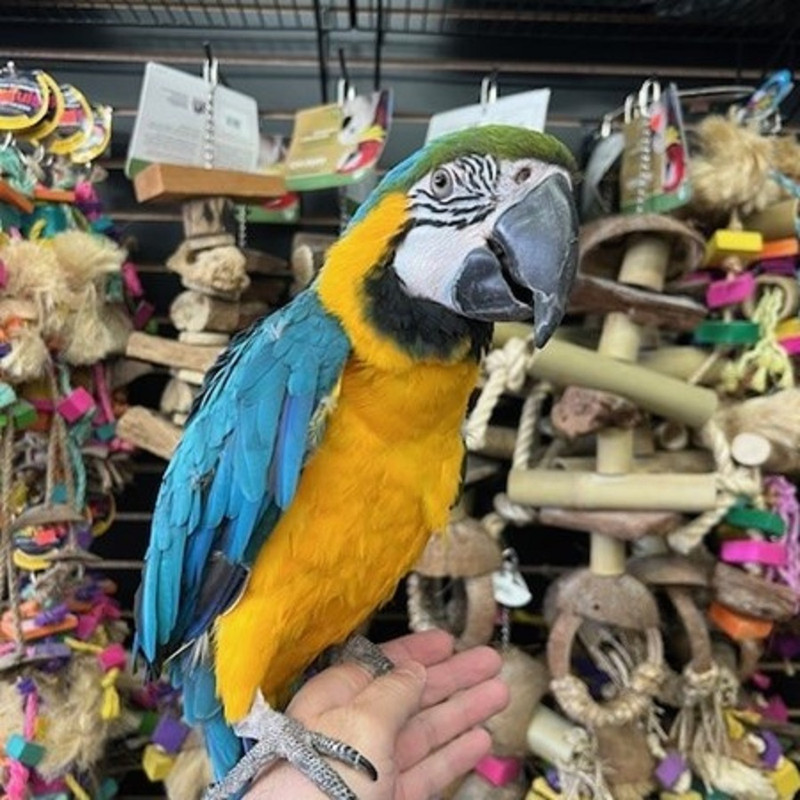
The dream of sharing your life with a macaw is often painted in the brilliant colours of its feathers. Many people begin their journey by searching for a stunning Blue and Gold Macaw for sale or envisioning the fiery personality of a Scarlet Macaw for sale. These birds, along with other magnificent species like the Green-winged and hybrid Catalina Macaws, represent the pinnacle of avian beauty and intelligence. But before that dream becomes a reality, a period of honest self-reflection is essential. Welcoming a macaw is less like buying a pet and more like adopting a toddler with feathers, powerful pliers for a beak, and a 70-year lifespan. This guide is designed to help you look beyond the rainbow plumage and understand the profound commitment required to provide a truly fulfilling life for these incredible creatures.
Can You Speak "Macaw"? Understanding Their Intelligence and Communication
The first step in responsible ownership is appreciating that macaws are not just decorative objects; they are sentient beings with complex minds. Their intelligence is frequently compared to that of a 3-4 year old human child. They can solve multi-step problems, remember faces and events for years, and experience a wide range of emotions, including joy, jealousy, anger, and affection.
This intelligence manifests in their famous ability to mimic human speech. But their communication goes far deeper than just words. A prospective owner must learn to read their body language:
- Eye Pinning: The rapid dilation and contraction of their pupils can signal excitement, aggression, or intense curiosity. Context is everything.
- Crest Feathers: A raised crest can indicate excitement or alarm.
- Beak Clicking: This can be a sign of contentment or a warning to back off.
- Blushing: The bare patches on their faces can flush red when they are excited or agitated.
The Commitment of Time: Are Your Next 50+ Years Available?
This is not an exaggeration; it is a biological fact. Macaws have incredibly long lifespans, routinely reaching 50, 60, and even 80 years of age. The bird you bring home today will likely be with you through career changes, moves, marriages, and the growth of your family. They are a true legacy pet.
This longevity requires a serious evaluation of your daily and long-term schedule. Macaws are flock animals and cannot be left alone in a cage for 8-10 hours a day without suffering emotionally. They require a minimum of 3-4 hours of direct, out-of-cage social time every single day. This includes shared meals (of bird-safe foods), playtime, training, and simply being in the same room with their human "flock." If your lifestyle involves frequent long hours at work or constant travel, a macaw is not a suitable companion.
The Financial Reality: Budgeting for a Beak
The initial purchase price of a macaw is only a fraction of its total lifetime cost. A responsible owner must be prepared for significant and ongoing financial investment.
- Initial Investment:
- The Bird: The cost varies by species and breeder.
- The Cage: A high-quality, safe, and appropriately sized cage is non-negotiable and can be a major expense. Think stainless steel or powder-coated, with strong bars and a secure lock.
- Initial Vet Visit: A full check-up with an avian veterinarian is essential.
- Supplies: Perches, a play stand, travel carrier, and an initial stockpile of toys and food.
- Ongoing Costs:
- Diet: A high-quality pelleted diet, supplemented with fresh organic vegetables and fruits, is a constant expense.
- Toy Destruction: Macaws need to chew. Budget a significant monthly amount for destructible toys made of wood, leather, and other bird-safe materials. This is not optional; it's a necessity for their mental health.
- Veterinary Care: Annual check-ups are a must. An emergency fund for unexpected illness or injury is also highly recommended, as specialized avian care can be costly.
Building Their Kingdom: The Macaw's Environment
A macaw’s environment is critical to its well-being. Their main cage should be the largest you can afford and accommodate. It is their safe space, so it should be filled with a variety of perches of different textures and diameters to promote foot health.
Location is everything. The cage should be in a social part of the home, like a living room, where they can feel part of the family. However, it should be placed against a wall to provide a sense of security and away from drafts or direct, constant sunlight. The kitchen is the most dangerous room in the house for a bird due to toxic fumes from non-stick cookware, self-cleaning ovens, and various aerosols, which can be fatal.
The Art and Science of Macaw Nutrition
Keeping a macaw healthy requires a commitment to providing a scientifically balanced and artistically varied diet. An all-seed diet is dangerously inadequate and leads to severe health problems. A proper diet includes:
- A Formulated Pellet Base (60-70%): This is the foundation, ensuring they receive all necessary vitamins and minerals.
- Fresh Vegetables (20-30%): Offer a colourful variety of chopped veggies like bell peppers, sweet potatoes, broccoli, and dark leafy greens.
- Fruits and Nuts (10%): These should be used as treats due to their high sugar and fat content. Berries, melon, and mango are good fruit options. Almonds and walnuts are healthy nuts.
- Clean Water: Fresh, clean water must be available at all times.
Conclusion: Are You Truly Prepared?
Owning a macaw is not a hobby; it is a lifestyle. Before you proceed, ask yourself these honest questions:
- Am I prepared to dedicate several hours to my bird every single day for the next half-century?
- Can my budget comfortably accommodate the high costs of housing, feeding, and providing veterinary care for a macaw?
- Is my home environment stable and safe for a large, loud, and inquisitive bird?
- Do I have the patience to work through behavioural challenges, hormonal periods, and the occasional destructive rampage?