

Healthy crops require regular monitoring and timely pest management. Insects can damage leaves, stems, flowers, and fruits, affecting crop development and quality. Choosing an appropriate insecticide starts with identifying the pest, understanding the crop's growth stage, and selecting a suitable control method.
Gramiti | A Trusted Place for Farmers provides an online platform to explore agricultural inputs, including insecticides, herbicides, fungicides, crop protection, and crop nutrition products.
Natural Insecticide for Vegetables: What Should Farmers Know?
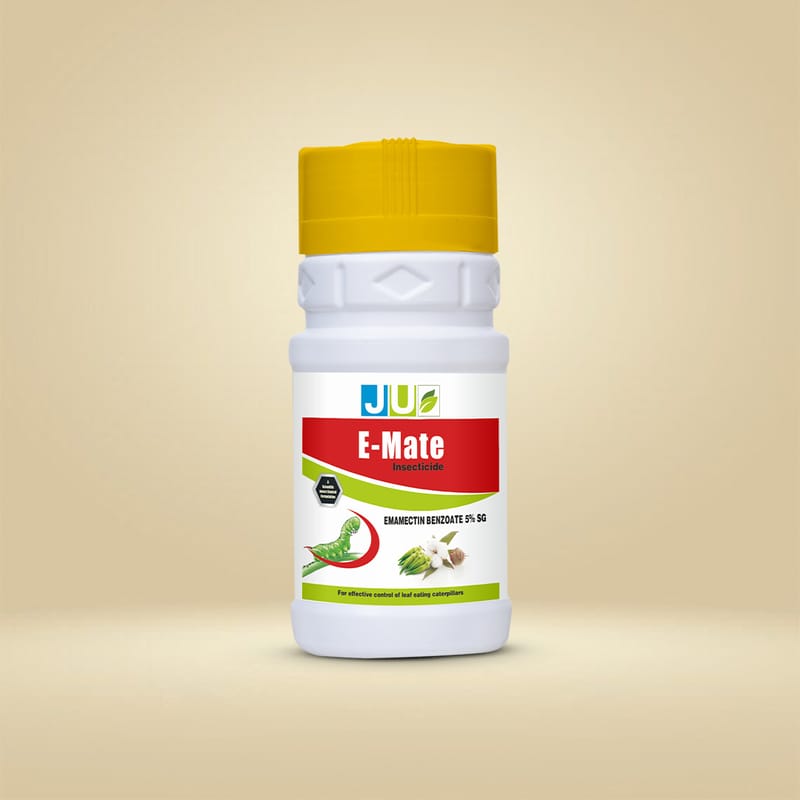
Farmers searching for a natural insecticide for vegetables may be interested in plant-based or biological pest-management options. Products containing ingredients such as neem-derived compounds may be considered for certain pest situations, depending on their approved uses.
However, natural products are not automatically harmless. Farmers should check the ingredients, target pests, approved crops, application instructions, and safety precautions before use.
Other useful practices include:
Pesticide for Fruit Farming: Protecting Crop Quality
Selecting a pesticide for fruit farming requires understanding which pest is affecting the orchard. Fruit crops may face problems from fruit flies, borers, sucking pests, and other insects, depending on the crop and region.
Before selecting a pesticide, consider the fruit species, pest identification, flowering or fruiting stage, and approved product uses. Pay particular attention to pre-harvest intervals and maximum residue requirements.
Farmers can also use orchard sanitation, removal of affected fruits, pest monitoring traps, and other suitable non-chemical practices as part of integrated pest management.
Insecticide Spray for Tomato Crop: Important Selection Factors
Farmers looking for an insecticide spray for tomato crop should identify the pest before choosing a treatment. Tomato plants can be affected by several insects, including whiteflies, aphids, fruit borers, and thrips.
The correct management approach depends on the pest, infestation level, crop stage, and local recommendations.
Before spraying:
Broad Spectrum Insecticide India: What Does It Mean?
A broad spectrum insecticide India search generally refers to products intended to control multiple insect pests. However, broad-spectrum activity does not mean a product is suitable for every crop or every pest.
Some broad-spectrum insecticides may also affect beneficial insects, including pollinators and natural pest predators. Farmers should therefore consider whether a targeted treatment or non-chemical method is more appropriate.
Always verify the approved crop, target pest, application timing, and product restrictions before purchasing or applying an insecticide.
Best Pesticide for Soybean: Choosing Crop-Specific Protection
Finding the best pesticide for soybean depends on the pest or disease affecting the crop. Soybean fields may experience different pest pressures at different growth stages, including defoliating insects and sap-sucking pests.
Farmers should inspect the crop regularly and identify the pest before treatment. Consider these practices:
Explore Agricultural Insecticides Online with Gramiti
Gramiti | A Trusted Place for Farmers provides an online destination for exploring agricultural inputs across insecticide, herbicide, fungicide, crop protection, and crop nutrition categories.
Visit Gramiti to explore available agricultural products and review their descriptions. Before purchasing, compare the active ingredient, formulation, approved crop use, target pest, and safety directions.
Frequently Asked Questions
1. What is a natural insecticide for vegetables?
It may refer to plant-based or biological pest-control products. Their suitability depends on the crop, target pest, and approved product instructions.
2. What should I check before choosing a pesticide for fruit farming?
Check the fruit crop, target pest, approved use, pre-harvest interval, and residue-related requirements.
3. Which insects commonly affect tomato crops?
Tomatoes may be affected by whiteflies, aphids, thrips, and fruit borers, depending on local conditions.
4. Is a broad-spectrum insecticide suitable for every crop?
No. Product approval, crop safety, target pests, and effects on beneficial insects must be considered.
5. How do I choose the best pesticide for soybean?
Identify the pest, check local recommendations, and select a product approved for soybean and the intended target pest.
Conclusion: Responsible pest management begins with correct identification, regular crop monitoring, and crop-specific product selection. Follow approved label directions, observe pre-harvest intervals, and use recommended protective equipment when handling agricultural pesticides.
Gramiti | A Trusted Place for Farmers provides an online platform to explore agricultural inputs, including insecticides, herbicides, fungicides, crop protection, and crop nutrition products.
Natural Insecticide for Vegetables: What Should Farmers Know?
Farmers searching for a natural insecticide for vegetables may be interested in plant-based or biological pest-management options. Products containing ingredients such as neem-derived compounds may be considered for certain pest situations, depending on their approved uses.
However, natural products are not automatically harmless. Farmers should check the ingredients, target pests, approved crops, application instructions, and safety precautions before use.
Other useful practices include:
- Regularly inspecting leaves and growing shoots.
- Removing heavily infested plant parts where practical.
- Using suitable insect nets and physical barriers.
- Encouraging beneficial insects.
- Maintaining field sanitation and crop rotation.
Pesticide for Fruit Farming: Protecting Crop Quality
Selecting a pesticide for fruit farming requires understanding which pest is affecting the orchard. Fruit crops may face problems from fruit flies, borers, sucking pests, and other insects, depending on the crop and region.
Before selecting a pesticide, consider the fruit species, pest identification, flowering or fruiting stage, and approved product uses. Pay particular attention to pre-harvest intervals and maximum residue requirements.
Farmers can also use orchard sanitation, removal of affected fruits, pest monitoring traps, and other suitable non-chemical practices as part of integrated pest management.
Insecticide Spray for Tomato Crop: Important Selection Factors
Farmers looking for an insecticide spray for tomato crop should identify the pest before choosing a treatment. Tomato plants can be affected by several insects, including whiteflies, aphids, fruit borers, and thrips.
The correct management approach depends on the pest, infestation level, crop stage, and local recommendations.
Before spraying:
- Inspect the plants and identify the target pest.
- Confirm that the insecticide is approved for tomato.
- Check the active ingredient and label directions.
- Follow the specified application rate and timing.
- Observe the pre-harvest interval and safety precautions.
Broad Spectrum Insecticide India: What Does It Mean?
A broad spectrum insecticide India search generally refers to products intended to control multiple insect pests. However, broad-spectrum activity does not mean a product is suitable for every crop or every pest.
Some broad-spectrum insecticides may also affect beneficial insects, including pollinators and natural pest predators. Farmers should therefore consider whether a targeted treatment or non-chemical method is more appropriate.
Always verify the approved crop, target pest, application timing, and product restrictions before purchasing or applying an insecticide.
Best Pesticide for Soybean: Choosing Crop-Specific Protection
Finding the best pesticide for soybean depends on the pest or disease affecting the crop. Soybean fields may experience different pest pressures at different growth stages, including defoliating insects and sap-sucking pests.
Farmers should inspect the crop regularly and identify the pest before treatment. Consider these practices:
- Monitor leaves, stems, flowers, and pods.
- Follow local pest advisories.
- Use suitable cultural and biological control methods.
- Select only products approved for soybean and the identified pest.
- Follow label instructions and recommended safety measures.
Explore Agricultural Insecticides Online with Gramiti
Gramiti | A Trusted Place for Farmers provides an online destination for exploring agricultural inputs across insecticide, herbicide, fungicide, crop protection, and crop nutrition categories.
Visit Gramiti to explore available agricultural products and review their descriptions. Before purchasing, compare the active ingredient, formulation, approved crop use, target pest, and safety directions.
Frequently Asked Questions
1. What is a natural insecticide for vegetables?
It may refer to plant-based or biological pest-control products. Their suitability depends on the crop, target pest, and approved product instructions.
2. What should I check before choosing a pesticide for fruit farming?
Check the fruit crop, target pest, approved use, pre-harvest interval, and residue-related requirements.
3. Which insects commonly affect tomato crops?
Tomatoes may be affected by whiteflies, aphids, thrips, and fruit borers, depending on local conditions.
4. Is a broad-spectrum insecticide suitable for every crop?
No. Product approval, crop safety, target pests, and effects on beneficial insects must be considered.
5. How do I choose the best pesticide for soybean?
Identify the pest, check local recommendations, and select a product approved for soybean and the intended target pest.
Conclusion: Responsible pest management begins with correct identification, regular crop monitoring, and crop-specific product selection. Follow approved label directions, observe pre-harvest intervals, and use recommended protective equipment when handling agricultural pesticides.