
XCMG excavators can be highly fuel-efficient when the machine size, operating mode, hydraulic system, and workload are properly matched. Fuel consumption varies by model and job conditions, but several XCMG excavators use low-speed, high-torque engines, intelligent power matching, efficient hydraulic systems, and electronic fuel-control technology to reduce unnecessary fuel use. When comparing an XCMG excavator price, buyers should evaluate fuel consumption per hour, production per hour, and fuel cost per cubic meter of material rather than looking only at the purchase price.
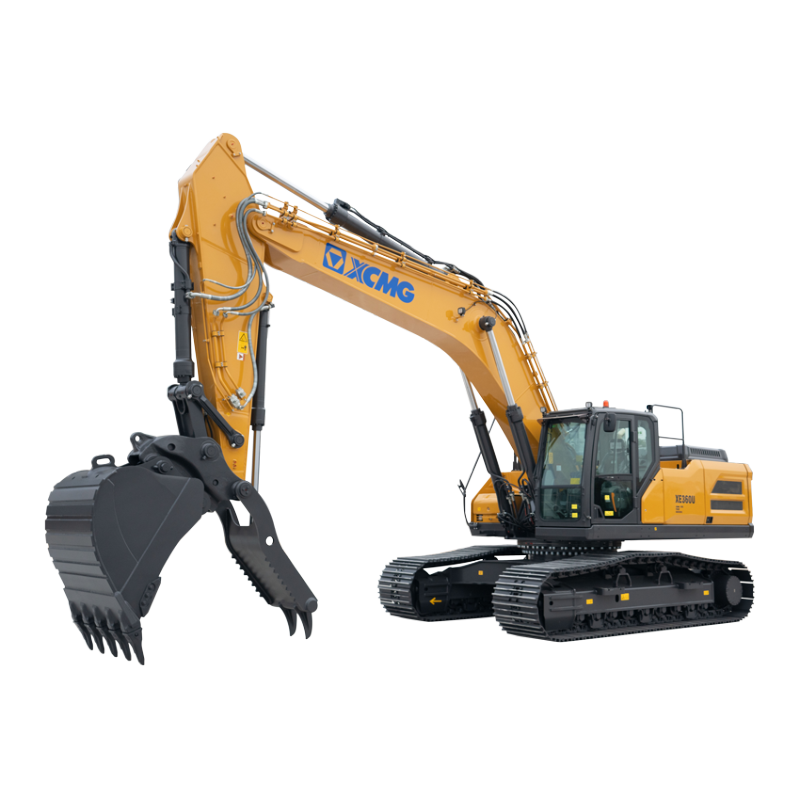
Fuel efficiency is important because fuel can represent a major part of an excavator’s long-term operating cost. However, there is no single fuel-consumption figure for every XCMG excavator. A compact model may use significantly less fuel per hour than a large mining excavator, while a larger machine may move more material and achieve a lower fuel cost per cubic meter.
The most useful question is not simply, “How much fuel does the excavator use?” It is, “How much productive work does the excavator complete for each unit of fuel?”
What Makes XCMG Excavators Fuel-Efficient?
XCMG excavators use several technologies designed to improve fuel economy while maintaining digging power and productivity.
Important features may include:
When the machine is performing light work, the engine and hydraulic system may reduce unnecessary energy use. During heavy excavation, the system can provide additional power to maintain productivity.
This balance can help reduce fuel consumption without sacrificing working performance.
Excavation Depth
Deep excavation may require more boom and arm movement.
Longer working cycles can increase fuel use.
Bucket Size
A bucket that is too large may overload the machine.
A bucket that is too small may require additional work cycles.
The correct bucket can improve productivity and fuel efficiency.
Operator Technique
Smooth operation can reduce unnecessary fuel use.
Frequent rapid movements, excessive engine speed, and inefficient machine positioning may increase consumption.
Job-Site Layout
Poor truck positioning may increase:
Fuel Consumption Per Hour Is Not the Only Measure
Hourly fuel consumption is useful, but it does not show the complete picture.
For example:
0.20 liters per cubic meter.
Excavator B uses:
0.15 liters per cubic meter.
Although Excavator B uses more fuel each hour, it uses less fuel for each cubic meter of material moved.
This is why contractors should compare fuel efficiency with productivity.
How to Calculate Fuel Cost Per Cubic Meter
Use this formula:
Fuel cost per cubic meter = Hourly fuel consumption × Fuel price ÷ Material moved per hour
For example:
15 × $1.20 ÷ 100 = $0.18 per cubic meter
This calculation can help compare excavators of different sizes.
How Machmall Helps Buyers Compare XCMG Excavators
For contractors, fleet managers, and equipment buyers, Machmall provides access to XCMG excavator options across different operating-weight categories.
Buyers can compare important specifications such as:
Before requesting a quotation, buyers should provide information about:
Operators and equipment managers can improve fuel economy by following practical operating methods.
Select the Correct Machine Size
An oversized excavator may consume more fuel than necessary.
An undersized machine may work too hard and require more operating time.
Choose a model that matches the project.
Use the Correct Operating Mode
Use economy mode for lighter work when appropriate.
Use higher-power modes only when additional performance is required.
Reduce Idle Time
Avoid leaving the engine running unnecessarily.
Extended idling consumes fuel without producing work.
Keep the Hydraulic System Maintained
Regularly inspect:
Maintain the Engine
Follow the recommended maintenance schedule.
Check:
Optimize the Work Cycle
Reduce unnecessary:
Final Answer: How Fuel-Efficient Are XCMG Excavators?
XCMG excavators can provide strong fuel efficiency through low-speed, high-torque engines, intelligent power matching, efficient hydraulic systems, electronic fuel control, and optimized operating modes.
Fuel consumption varies according to:
For the most accurate comparison, evaluate fuel consumption per hour, production per hour, and fuel cost per cubic meter. This approach provides a clearer picture of real operating efficiency than hourly fuel use alone.
Fuel efficiency is important because fuel can represent a major part of an excavator’s long-term operating cost. However, there is no single fuel-consumption figure for every XCMG excavator. A compact model may use significantly less fuel per hour than a large mining excavator, while a larger machine may move more material and achieve a lower fuel cost per cubic meter.
The most useful question is not simply, “How much fuel does the excavator use?” It is, “How much productive work does the excavator complete for each unit of fuel?”
What Makes XCMG Excavators Fuel-Efficient?
XCMG excavators use several technologies designed to improve fuel economy while maintaining digging power and productivity.
Important features may include:
- Low-speed, high-torque engines
- High-pressure fuel-injection systems
- Electronic engine control
- Intelligent power matching
- Efficient hydraulic pumps
- Reduced hydraulic pressure loss
- Automatic engine-speed control
- Multiple operating modes
- Load-sensitive hydraulic control
- Optimized boom and arm movements
When the machine is performing light work, the engine and hydraulic system may reduce unnecessary energy use. During heavy excavation, the system can provide additional power to maintain productivity.
This balance can help reduce fuel consumption without sacrificing working performance.
Excavation Depth
Deep excavation may require more boom and arm movement.
Longer working cycles can increase fuel use.
Bucket Size
A bucket that is too large may overload the machine.
A bucket that is too small may require additional work cycles.
The correct bucket can improve productivity and fuel efficiency.
Operator Technique
Smooth operation can reduce unnecessary fuel use.
Frequent rapid movements, excessive engine speed, and inefficient machine positioning may increase consumption.
Job-Site Layout
Poor truck positioning may increase:
- Swing distance
- Travel time
- Idle time
- Work-cycle duration
Fuel Consumption Per Hour Is Not the Only Measure
Hourly fuel consumption is useful, but it does not show the complete picture.
For example:
- Excavator A uses 12 liters per hour and moves 60 cubic meters.
- Excavator B uses 18 liters per hour and moves 120 cubic meters.
0.20 liters per cubic meter.
Excavator B uses:
0.15 liters per cubic meter.
Although Excavator B uses more fuel each hour, it uses less fuel for each cubic meter of material moved.
This is why contractors should compare fuel efficiency with productivity.
How to Calculate Fuel Cost Per Cubic Meter
Use this formula:
Fuel cost per cubic meter = Hourly fuel consumption × Fuel price ÷ Material moved per hour
For example:
- Fuel consumption: 15 liters per hour
- Fuel price: $1.20 per liter
- Production: 100 cubic meters per hour
15 × $1.20 ÷ 100 = $0.18 per cubic meter
This calculation can help compare excavators of different sizes.
How Machmall Helps Buyers Compare XCMG Excavators
For contractors, fleet managers, and equipment buyers, Machmall provides access to XCMG excavator options across different operating-weight categories.
Buyers can compare important specifications such as:
- Operating weight
- Engine power
- Bucket capacity
- Digging depth
- Working reach
- Hydraulic capability
- Machine dimensions
- Available configurations
Before requesting a quotation, buyers should provide information about:
- Project type
- Material conditions
- Expected operating hours
- Required production
- Required attachments
- Destination
- Preferred machine size
Operators and equipment managers can improve fuel economy by following practical operating methods.
Select the Correct Machine Size
An oversized excavator may consume more fuel than necessary.
An undersized machine may work too hard and require more operating time.
Choose a model that matches the project.
Use the Correct Operating Mode
Use economy mode for lighter work when appropriate.
Use higher-power modes only when additional performance is required.
Reduce Idle Time
Avoid leaving the engine running unnecessarily.
Extended idling consumes fuel without producing work.
Keep the Hydraulic System Maintained
Regularly inspect:
- Hydraulic oil
- Filters
- Hoses
- Hydraulic connections
- Pump performance
Maintain the Engine
Follow the recommended maintenance schedule.
Check:
- Engine oil
- Fuel filters
- Air filters
- Cooling systems
- Fuel-injection components
Optimize the Work Cycle
Reduce unnecessary:
- Swing distance
- Machine travel
- Repositioning
- Repeated bucket movements
Final Answer: How Fuel-Efficient Are XCMG Excavators?
XCMG excavators can provide strong fuel efficiency through low-speed, high-torque engines, intelligent power matching, efficient hydraulic systems, electronic fuel control, and optimized operating modes.
Fuel consumption varies according to:
- Excavator model
- Operating weight
- Engine size
- Material conditions
- Bucket capacity
- Hydraulic workload
- Operating mode
- Operator technique
- Job-site layout
- Maintenance condition
For the most accurate comparison, evaluate fuel consumption per hour, production per hour, and fuel cost per cubic meter. This approach provides a clearer picture of real operating efficiency than hourly fuel use alone.