
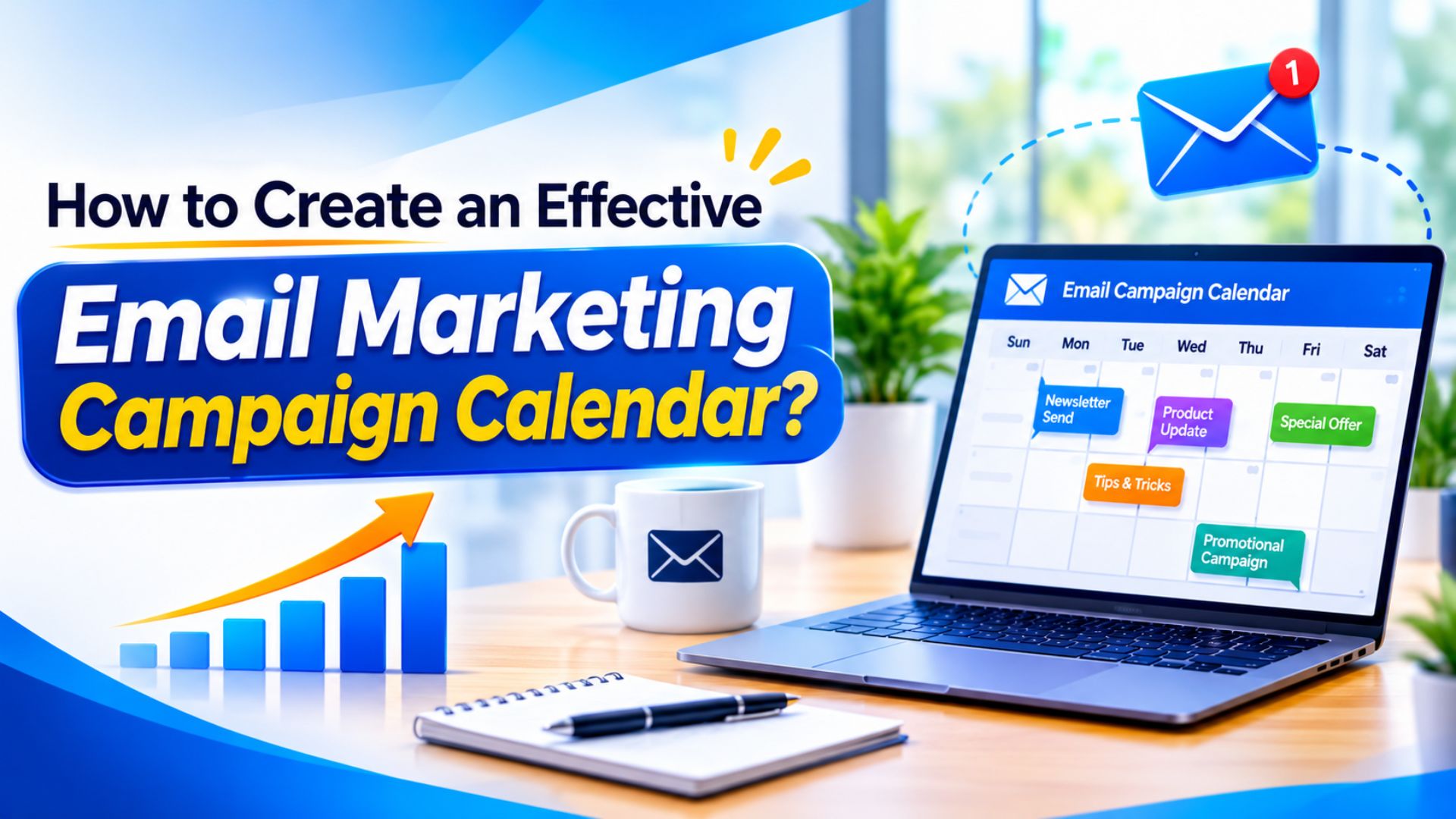
Learn how to create an effective email marketing campaign calendar by planning schedules, organizing content, targeting audiences, and tracking campaigns to improve engagement and results.
Email marketing is an effective way for businesses to communicate with customers, promote products, share updates, and build long-term relationships. However, managing multiple campaigns without proper planning can lead to missed opportunities, inconsistent communication, and poorly timed messages. An email marketing campaign calendar helps businesses organize their email activities, schedule promotional messages, and maintain a consistent communication strategy.
A well-structured calendar allows marketing teams to plan upcoming campaigns, coordinate important announcements, and align email content with business objectives. Whether a company sends newsletters, promotional offers, product updates, or seasonal messages, having a clear schedule makes campaign management easier.
What Is an Email Marketing Campaign Calendar?
An email marketing campaign calendar is a planning document that outlines when emails will be created, scheduled, and sent to subscribers. It provides an overview of upcoming campaigns, their objectives, target audiences, content themes, and delivery dates.
A typical calendar includes:
- Campaign dates: Planned dates and times for sending emails.
- Email topics: Subject matter and content ideas for each campaign.
- Target audience: Subscriber groups receiving specific messages.
- Campaign objectives: Goals such as increasing sales, generating leads, or improving engagement.
- Content deadlines: Dates for writing, reviewing, and approving email content.
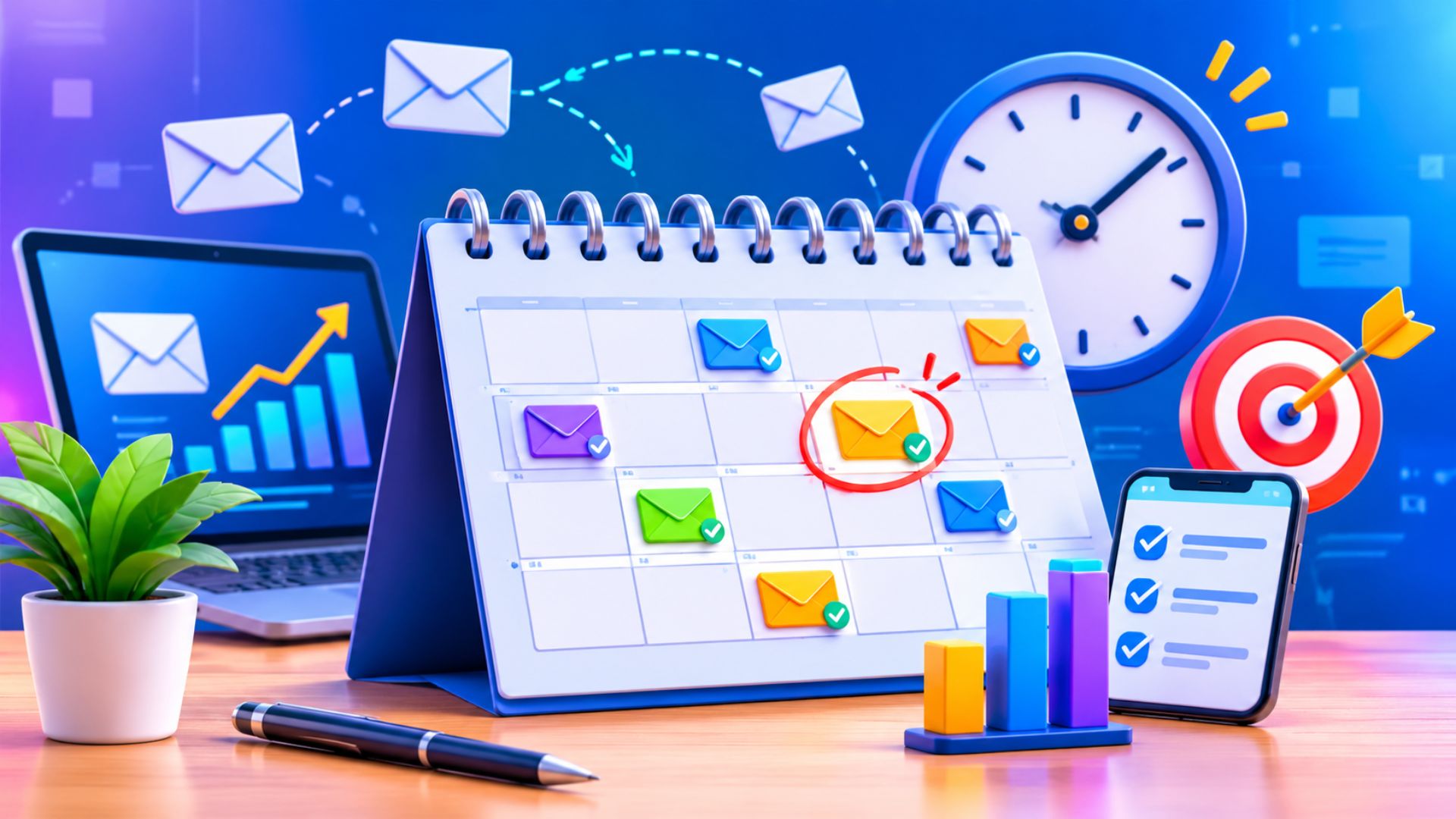
Steps to Create an Effective Email Marketing Calendar
Creating a successful email calendar requires understanding business goals, audience preferences, and campaign priorities. Following a structured approach can make the planning process more effective.
1. Define Your Email Marketing Goals
Before scheduling campaigns, identify what you want to achieve through email marketing. Clear objectives help determine the type of content you should create and how frequently you should communicate with subscribers.
Common email marketing goals include:
- Increasing website traffic.
- Promoting products and services.
- Generating qualified leads.
- Improving customer retention.
- Announcing new products or features.
2. Understand Your Target Audience
Knowing your audience is important for creating relevant email campaigns. Different subscribers have different interests, purchasing habits, and communication preferences.
Businesses should examine subscriber information to understand what types of emails are most useful to their audience.
Consider these factors:
- Age groups and general audience demographics.
- Customer interests and preferences.
- Previous purchases and browsing behavior.
- Email engagement history.
3. Choose Important Dates and Campaign Themes
Once your goals and audience are clear, identify important dates that may influence your email marketing activities. These dates can include holidays, seasonal events, product launches, industry events, and special promotions.
For example, businesses can plan campaigns around:
- New Year promotions.
- Valentine's Day offers.
- Summer sales.
- Back-to-school campaigns.
- Black Friday discounts.
- Christmas promotions.
4. Decide Email Frequency and Scheduling
Sending too many emails can overwhelm subscribers, while sending too few may reduce audience engagement. Businesses should establish a suitable sending frequency based on their audience preferences and campaign objectives.
Consider the following practices:
- Send newsletters weekly or monthly, depending on content availability.
- Schedule promotional emails around relevant offers.
- Send product announcements when important updates become available.
- Avoid sending multiple unnecessary messages within a short period.
- Test different sending times to understand audience behavior.
5. Organize Campaign Content
Content planning is another important part of managing email campaigns. Every email should have a clear purpose and provide value to its intended audience.
Your content plan may include:
- Educational newsletters and industry updates.
- Product announcements and feature highlights.
- Special discounts and promotional offers.
- Customer testimonials and success stories.
- Event invitations and registration reminders.

Best Practices for Managing Your Email Calendar
A well-planned email marketing campaign calendar becomes more effective when businesses follow consistent management practices. These practices help marketing teams coordinate activities and improve campaign performance.
Use a Centralized Planning Tool
Choose a spreadsheet, project management platform, or email marketing application to organize campaign information. A centralized calendar allows team members to review schedules, update deadlines, and track campaign progress.
Leave Time for Content Review
Before sending emails, review subject lines, content, links, images, and formatting. A proper approval process reduces mistakes and ensures that every message reflects your brand.
Monitor Campaign Performance
Track important metrics to understand how subscribers respond to your emails.
Useful performance indicators include:
- Open rates.
- Click-through rates.
- Conversion rates.
- Unsubscribe rates.
Common Mistakes to Avoid
Even with careful planning, businesses can make mistakes that affect email campaign performance. Avoiding these issues can improve the overall effectiveness of your strategy.
- Ignoring audience preferences: Sending irrelevant messages may reduce subscriber interest.
- Overloading subscribers: Excessive emails can increase unsubscribe rates.
- Skipping performance reviews: Without tracking results, it becomes difficult to identify successful strategies.
- Forgetting important dates: Poor planning can result in missed promotional opportunities.
- Using repetitive content: Similar messages can make campaigns less engaging

Conclusion
Creating a successful email marketing strategy requires organization, consistency, and a clear understanding of audience needs. An email marketing campaign calendar helps businesses plan promotional activities, schedule content, manage important dates, and track campaign performance. By defining objectives, understanding subscribers, organizing content, and reviewing results regularly, marketing teams can improve communication and build stronger customer relationships. A flexible and well-maintained calendar also makes it easier to adapt to changing business priorities and achieve long-term email marketing goals.
Frequently Asked Questions (FAQs)
1. What is the purpose of an email marketing campaign calendar?
It helps businesses organize email campaigns, schedule messages, manage content deadlines, plan promotions, and maintain consistent communication with subscribers.
2. How often should businesses update their email marketing calendar?
Businesses should review their calendars weekly or monthly to adjust campaign schedules, include new promotions, and ensure upcoming activities match their marketing objectives.
3. Which tools can help create an email marketing campaign calendar?
Google Sheets, Microsoft Excel, Trello, Asana, and dedicated email marketing platforms can help businesses organize campaign schedules, manage deadlines, and coordinate marketing activities.