
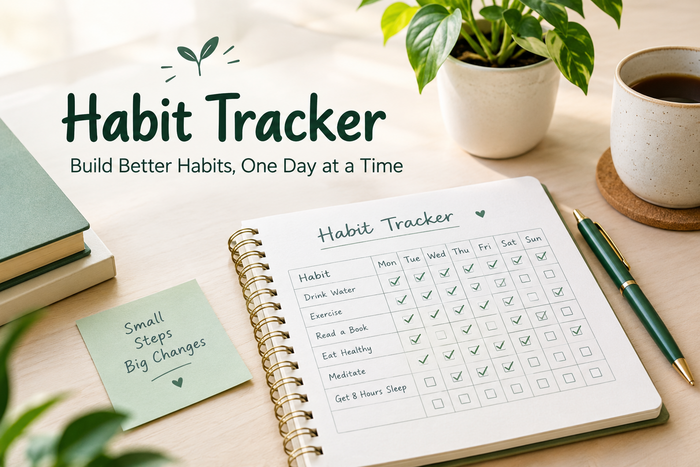
Creating good habits does not mean filling every hour of your day with tasks. In fact, a simple weekly routine can often be easier to maintain than a strict daily schedule. Some habits need attention every day, while others work better when reviewed once or several times during the week. A weekly approach gives you room to manage normal life while still making steady progress.
Why Weekly Habits Matter
Daily habits are useful for actions such as brushing your teeth, drinking water, or taking a short walk. However, some goals do not need daily attention. Cleaning your home, planning meals, reviewing finances, organizing files, or checking your personal goals can often be handled during a weekly session.
Weekly tracking also gives you a bigger picture. Instead of worrying about one missed day, you can look at what happened across several days. This makes it easier to notice patterns and make realistic changes.
Start With Meaningful Goals
Before creating your weekly list, think about what you want to improve. You may want a cleaner home, better money management, more time for learning, or a healthier routine.
Choose habits that support those goals. Avoid adding activities simply because they look productive. If a habit does not have a clear purpose, you may lose interest quickly.
A short list of meaningful actions is easier to manage than a long list that creates pressure.
Plan Your Weekly Routine
Choose one day to review your upcoming week. Sunday may work well for some people, while Friday or Monday may feel more natural for others. The important thing is choosing a time you can repeat.
Use this moment to look at your schedule. Notice busy days, appointments, work deadlines, and personal plans. Then place your weekly habits around those commitments.
Planning ahead can prevent your goals from being forgotten when the week becomes busy.
Focus on Home and Organization
Home-related tasks are perfect for weekly tracking. You might choose to clean your refrigerator, organize one drawer, change bed sheets, wash certain items, or clear old paperwork.
You do not need to finish every household task on one day. Assigning a few specific activities to the week can make cleaning feel less overwhelming.
A weekly reset can also give you a calmer starting point for the days ahead.
Look After Your Health
Health habits can also benefit from weekly attention. You could plan your meals, prepare healthy snacks, review your water intake, schedule exercise sessions, or think about your sleep routine.
The goal is not to create a strict health program. Instead, use your tracker to notice whether your choices support how you want to feel.
Small adjustments can be easier when you review them regularly instead of waiting until a problem becomes frustrating.
Track Personal Growth
Learning and personal development do not always require a daily checklist. You can set a weekly reading target, practice a new skill several times, complete part of an online course, or spend time writing.
If you are looking for simple weekly habits to track, consider actions such as reading a certain number of pages, practicing a hobby, planning your week, reviewing goals, or spending time away from screens. Choose activities that make you feel that your time is being used in a meaningful way.
Review Your Finances
Money is another area where a weekly check can be helpful. Look at recent spending, review upcoming bills, check your savings progress, or plan purchases for the coming days.
You do not need to spend a long time doing this. Even fifteen minutes can help you understand where your money is going.
Tracking small financial actions can encourage more thoughtful decisions without making budgeting feel complicated.
Make Time for Relationships
Busy schedules can make relationships easy to overlook. Consider adding a weekly reminder to call someone, send a thoughtful message, have a meal with family, or make time for a friend.
These actions may not feel like traditional habits, but they can have a meaningful effect on your sense of connection.
A weekly reminder can help important relationships receive attention even during demanding periods.
Include Rest and Fun
A useful tracker should not contain only chores and responsibilities. Rest is important too.
You could track an evening without work, time spent outdoors, a favorite hobby, a movie night, or simply an hour without notifications. These moments can give your mind space to recover.
When your weekly plan includes enjoyment, it feels less like a list of obligations.
Keep Your Tracker Simple
Your tracking system should be quick to update. A notebook, calendar, printable sheet, or phone app can work. Use check marks, dots, numbers, or short notes.
Avoid creating a complicated system that takes more time to manage than the habits themselves.
The purpose is to understand your routine, not create another project.
Learn From Missed Habits
Some weeks will not go according to plan. You may miss several habits because of travel, work, family needs, or unexpected events.
Instead of treating this as failure, review what happened. Perhaps your list was too long or the timing was unrealistic. Maybe one habit needs to be moved to another day.
Use the experience to make the next week easier.
Review Your Progress
At the end of each week, look at your tracker. Notice what you completed and what you skipped. Think about which actions felt natural and which ones required too much effort.
You may discover useful patterns. Perhaps meal planning works best on Saturday, while financial reviews are easier on Monday. Maybe organizing your home is more enjoyable when you play music.
These small discoveries can help you build a routine that fits your actual life.
Keep Improving Over Time
Your weekly habits do not have to stay the same forever. As your goals change, your tracker can change too. Remove habits that no longer matter and add new ones slowly.
The purpose of a weekly routine is to create direction without creating unnecessary pressure. Keep your goals realistic, leave room for unexpected events, and celebrate progress.
A simple weekly tracker can help you stay organized, protect time for important activities, and notice small improvements that might otherwise go unseen. You do not need a perfect schedule. You only need a system that helps you return to what matters each week.
When small actions are repeated with patience, they can gradually become reliable parts of your lifestyle. A thoughtful weekly routine gives you structure while still leaving enough freedom to live normally. That balance can make habit building feel easier, more practical, and much more sustainable.