

In today’s fast-moving world, environmental consciousness is no longer optional—it’s essential. Businesses across all sectors are reevaluating their supply chains, materials, and processes to reflect this shift. Consumers demand more than just quality; they want transparency, responsibility, and sustainability. As a result, packaging—often overlooked in the past—has taken center stage in the push toward a greener future.
The packaging industry, traditionally dominated by plastic and other non-biodegradable materials, has become a fertile ground for innovation. Companies are ditching outdated methods in favor of sustainable solutions. This transition isn’t just a feel-good story—it’s good business. Brands that prioritize eco-friendly packaging are seeing stronger consumer loyalty, improved brand perception, and often, cost savings.
Why Packaging Matters More Than Ever
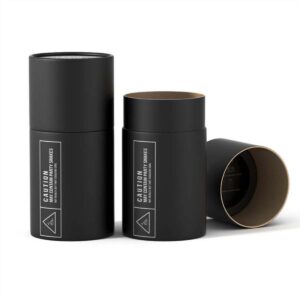
Tube Packaging is often the first physical touchpoint between a company and its customer. It protects the product, tells a story, and serves as a symbol of the brand’s values. For decades, packaging was designed with efficiency and cost in mind, with little regard for environmental impact. But the tide is turning.
Today’s consumers are paying attention. They read labels. They recycle. They question waste. A beautifully designed package that ends up in a landfill now raises more eyebrows than it wins praise. The materials you choose say as much about your business as the product inside.
The Rise of Sustainable Packaging
Sustainable packaging comes in many forms, from compostable bags to reusable containers. But they all share a common goal: to minimize environmental harm. Companies now consider the full lifecycle of their packaging—from raw material sourcing and manufacturing, to shipping, usage, and disposal.
Biodegradable and recyclable materials are gaining ground. Design choices like minimalism, modularity, and multi-use functions are becoming more popular. And thanks to innovation and demand, these options are becoming more accessible.
One of the more creative approaches to sustainable packaging has been the use of materials that serve dual purposes or require fewer resources to produce. This includes innovations like molded fiber packaging, algae-based plastics, and even mushroom-based foam alternatives.
Thinking Beyond the Box
Smart businesses recognize that sustainable packaging isn’t just about the end product—it’s about rethinking the entire system. That includes logistics, supplier relationships, consumer education, and even return processes. Consider these strategies:
These tactics might seem small on their own, but together, they form a cohesive strategy that can significantly reduce a company’s environmental footprint.
Challenges on the Road to Sustainability
Despite the clear advantages, the shift toward sustainable packaging does not come without its challenges. Cost is one of the primary barriers—sustainable materials often come at a premium, especially for small businesses. However, as adoption increases and economies of scale kick in, these costs continue to decrease.
Supply chain complexity is another concern. Many companies rely on legacy packaging suppliers who may not yet offer green alternatives. Others worry about the durability or performance of new materials, particularly in industries like food, electronics, or pharmaceuticals, where packaging plays a critical role in protection and preservation.
Consumer education remains a hurdle as well. Even the most eco-friendly packaging won't make an impact if customers don't know how to dispose of it properly. That’s why labeling and communication are so important. Clear, concise instructions on how to recycle, compost, or reuse packaging can make all the difference.
Success Stories: Brands Leading the Way
Several brands have stepped up and made sustainable packaging a priority, setting powerful examples for the rest of the business world.
Patagonia, for instance, is known for its strong environmental stance. The outdoor gear brand uses minimal packaging and encourages customers to repair and reuse products. Their packaging is recyclable, and they work with suppliers who share their sustainability goals.
Lush Cosmetics has taken an even bolder approach. Many of their products come “naked,” meaning they have no packaging at all. For items that require containers, they use recycled and recyclable materials and offer incentives for returning used pots.
Nike reimagined its shoeboxes with the “One Box” project—a packaging design that serves as both the shoebox and the shipping container, eliminating the need for extra material.
These examples illustrate that sustainable packaging isn’t just a nice gesture—it’s a branding strategy, a cost saver, and a powerful message to customers.
Innovation Through Collaboration
Moving toward sustainable packaging often requires collaboration. Brands are teaming up with material scientists, designers, logistics experts, and even competitors to find solutions that work across industries.
Startups specializing in green tech are helping traditional companies bridge the gap. Universities and research institutions are also playing a key role, conducting experiments and developing next-gen materials that could soon replace traditional options.
Partnerships are forming between brands and recycling centers to create more efficient collection and sorting systems. Governments and NGOs are working to develop policies and incentives that support sustainable practices.
Through collaboration, businesses can share the burden, share the knowledge, and share the success.
Making the Switch: A Step-by-Step Guide for Businesses
If your business is ready to embrace sustainable packaging, here’s a practical roadmap:
While the environmental benefits are clear, sustainable packaging can also create a deeper connection with customers. It demonstrates that your brand paper tubes stands for something more than profit. It tells a story of responsibility, awareness, and care.
In a world where consumers are flooded with choices, values matter. Shoppers want to feel good about where they spend their money. A thoughtful, sustainable package doesn’t just protect your product—it builds trust.
The Future of Packaging
As we look ahead, the future of packaging will likely be shaped by three key forces: technology, regulation, and consumer behavior.
Technology will continue to push boundaries, introducing smarter materials that are easier to produce, stronger, and more environmentally friendly. Think dissolvable films, edible packaging, or packaging embedded with tracking sensors for better recycling management.
Regulations will become more strict, pushing businesses to adopt sustainable practices whether they’re ready or not. From plastic bans to extended producer responsibility laws, governments around the world are stepping in to hold companies accountable.
Consumer behavior will be the driving force. The more people demand sustainability, the more businesses will respond. In this way, shoppers become powerful agents of change.
Final Thoughts
The shift toward custom paper tubes packaging is more than a trend—it’s a transformation. Businesses that embrace this movement are positioning themselves for long-term success. They’re showing they understand the moment and are willing to lead.
The packaging industry, traditionally dominated by plastic and other non-biodegradable materials, has become a fertile ground for innovation. Companies are ditching outdated methods in favor of sustainable solutions. This transition isn’t just a feel-good story—it’s good business. Brands that prioritize eco-friendly packaging are seeing stronger consumer loyalty, improved brand perception, and often, cost savings.
Why Packaging Matters More Than Ever
Tube Packaging is often the first physical touchpoint between a company and its customer. It protects the product, tells a story, and serves as a symbol of the brand’s values. For decades, packaging was designed with efficiency and cost in mind, with little regard for environmental impact. But the tide is turning.
Today’s consumers are paying attention. They read labels. They recycle. They question waste. A beautifully designed package that ends up in a landfill now raises more eyebrows than it wins praise. The materials you choose say as much about your business as the product inside.
The Rise of Sustainable Packaging
Sustainable packaging comes in many forms, from compostable bags to reusable containers. But they all share a common goal: to minimize environmental harm. Companies now consider the full lifecycle of their packaging—from raw material sourcing and manufacturing, to shipping, usage, and disposal.
Biodegradable and recyclable materials are gaining ground. Design choices like minimalism, modularity, and multi-use functions are becoming more popular. And thanks to innovation and demand, these options are becoming more accessible.
One of the more creative approaches to sustainable packaging has been the use of materials that serve dual purposes or require fewer resources to produce. This includes innovations like molded fiber packaging, algae-based plastics, and even mushroom-based foam alternatives.
Thinking Beyond the Box
Smart businesses recognize that sustainable packaging isn’t just about the end product—it’s about rethinking the entire system. That includes logistics, supplier relationships, consumer education, and even return processes. Consider these strategies:
- Right-sizing packages to reduce excess material and lower shipping costs.
- Eliminating plastic fillers in favor of shredded recycled paper, corrugated inserts, or biodegradable cushioning.
- Offering incentives for customers to return or reuse packaging, creating a closed-loop system.
- Using digital receipts or QR code inserts to replace printed manuals or marketing materials.
These tactics might seem small on their own, but together, they form a cohesive strategy that can significantly reduce a company’s environmental footprint.
Challenges on the Road to Sustainability
Despite the clear advantages, the shift toward sustainable packaging does not come without its challenges. Cost is one of the primary barriers—sustainable materials often come at a premium, especially for small businesses. However, as adoption increases and economies of scale kick in, these costs continue to decrease.
Supply chain complexity is another concern. Many companies rely on legacy packaging suppliers who may not yet offer green alternatives. Others worry about the durability or performance of new materials, particularly in industries like food, electronics, or pharmaceuticals, where packaging plays a critical role in protection and preservation.
Consumer education remains a hurdle as well. Even the most eco-friendly packaging won't make an impact if customers don't know how to dispose of it properly. That’s why labeling and communication are so important. Clear, concise instructions on how to recycle, compost, or reuse packaging can make all the difference.
Success Stories: Brands Leading the Way
Several brands have stepped up and made sustainable packaging a priority, setting powerful examples for the rest of the business world.
Patagonia, for instance, is known for its strong environmental stance. The outdoor gear brand uses minimal packaging and encourages customers to repair and reuse products. Their packaging is recyclable, and they work with suppliers who share their sustainability goals.
Lush Cosmetics has taken an even bolder approach. Many of their products come “naked,” meaning they have no packaging at all. For items that require containers, they use recycled and recyclable materials and offer incentives for returning used pots.
Nike reimagined its shoeboxes with the “One Box” project—a packaging design that serves as both the shoebox and the shipping container, eliminating the need for extra material.
These examples illustrate that sustainable packaging isn’t just a nice gesture—it’s a branding strategy, a cost saver, and a powerful message to customers.
Innovation Through Collaboration
Moving toward sustainable packaging often requires collaboration. Brands are teaming up with material scientists, designers, logistics experts, and even competitors to find solutions that work across industries.
Startups specializing in green tech are helping traditional companies bridge the gap. Universities and research institutions are also playing a key role, conducting experiments and developing next-gen materials that could soon replace traditional options.
Partnerships are forming between brands and recycling centers to create more efficient collection and sorting systems. Governments and NGOs are working to develop policies and incentives that support sustainable practices.
Through collaboration, businesses can share the burden, share the knowledge, and share the success.
Making the Switch: A Step-by-Step Guide for Businesses
If your business is ready to embrace sustainable packaging, here’s a practical roadmap:
- Audit your current packaging: What materials are you using? Where are they sourced? What happens after the customer receives the product?
- Identify areas for improvement: Can you reduce, reuse, or redesign any elements? Can you switch to a different material?
- Research sustainable options: Look into biodegradable, compostable, recyclable, or reusable materials. Compare costs, availability, and performance.
- Find the right suppliers: Partner with vendors who align with your values and can support your sustainability goals.
- Test and iterate: Pilot your new packaging with a small batch of customers. Gather feedback and make improvements.
- Educate your customers: Let them know why you made the change and how they can participate. Use social media, labels, emails, and packaging inserts to tell your story.
- Measure your impact: Track the reduction in waste, carbon footprint, or cost. Use this data to guide future decisions and report your progress to stakeholders.
While the environmental benefits are clear, sustainable packaging can also create a deeper connection with customers. It demonstrates that your brand paper tubes stands for something more than profit. It tells a story of responsibility, awareness, and care.
In a world where consumers are flooded with choices, values matter. Shoppers want to feel good about where they spend their money. A thoughtful, sustainable package doesn’t just protect your product—it builds trust.
The Future of Packaging
As we look ahead, the future of packaging will likely be shaped by three key forces: technology, regulation, and consumer behavior.
Technology will continue to push boundaries, introducing smarter materials that are easier to produce, stronger, and more environmentally friendly. Think dissolvable films, edible packaging, or packaging embedded with tracking sensors for better recycling management.
Regulations will become more strict, pushing businesses to adopt sustainable practices whether they’re ready or not. From plastic bans to extended producer responsibility laws, governments around the world are stepping in to hold companies accountable.
Consumer behavior will be the driving force. The more people demand sustainability, the more businesses will respond. In this way, shoppers become powerful agents of change.
Final Thoughts
The shift toward custom paper tubes packaging is more than a trend—it’s a transformation. Businesses that embrace this movement are positioning themselves for long-term success. They’re showing they understand the moment and are willing to lead.