
Water is no longer a cheap, disposable utility. For any high-volume water user—from industrial plants and car washes to large-scale farms and hotels—water is a critical operational asset. It's also rapidly becoming a significant financial and regulatory liability.
Across North America, businesses are facing a two-front battle: the rising cost of fresh water and the surging cost of discharging wastewater. Add in the increasing risk of water scarcity, drought restrictions, and ever-stricter environmental regulations, and the "use it once, dump it" model is no longer sustainable. It's a direct threat to your bottom line.
This is where a water recycling system transforms from an "eco-friendly nice-to-have" into a core piece of business infrastructure. A well-designed commercial water recycling system or industrial water recycling system is not an expense; it's a strategic investment in efficiency, compliance, and long-term resilience.
This comprehensive guide will walk you through the "why" (the business case) and the "how" (the implementation plan) for putting a water recycling system to work for your organization.
The Business Case: Why Implement a Water Recycling System?
Before diving into the "how," let's establish the "why." The decision to invest in a water recycling system is driven by three powerful motivators: cost, compliance, and long-term security.
 The Dual-Benefit ROI: Slashing Costs on Both Ends
The financial case for water recycling is incredibly strong because it saves you money twice.
 The "Stick": Navigating Complex US and Canadian Regulations
The "carrot" is the savings; the "stick" is the law. Both the United States and Canada have robust environmental laws governing wastewater discharge.
 The Future-Proof: Gaining a Competitive & Sustainable Edge
Water scarcity is no longer a distant problem. It's an active business risk. From the drought-prone regions of California and the Southwest to seasonal restrictions in the prairies, a lack of water can shut down your operation. A water recycling system insulates your business from these risks.
Furthermore, demonstrating real-world sustainability is a powerful market differentiator. Consumers and corporate partners alike are demanding their suppliers have strong Environmental, Social, and Governance (ESG) goals. The EPA notes that for some industries, a water recycling system program can reduce water consumption by as much as 90%. That's not just a line item; that's a powerful story for your brand.
The 5-Step Implementation Blueprint: From Audit to Operation
Thinking about a water recycling system can be overwhelming. Where do you even start? Here is the 5-step blueprint that successful operations follow.
Step 1: The Water Audit – You Can't Manage What You Don't Measure
This is the most critical step. Before you buy a single pump, you must become an expert on your own water use. A professional partner can help you conduct an audit to answer three key questions:
Once you have your audit data, you can design the system. This is where you realize that "water recycling system" is a broad term. The technology is tailored to the need.
Step 3: Vendor Selection & Financials
With a design in mind, you can approach vendors. Look for a partner, not just a parts seller. A good vendor should:
Step 4: Installation & Commissioning
This is the construction phase. A serious commercial water recycling system requires more than just a simple hookup. It often involves:
Step 5: Training & Handoff
A water recycling system is not a "set it and forget it" appliance. It is a miniature water treatment plant, and it requires routine maintenance. Your vendor's job isn't done until your on-site staff is fully trained on:
Across North America, businesses are facing a two-front battle: the rising cost of fresh water and the surging cost of discharging wastewater. Add in the increasing risk of water scarcity, drought restrictions, and ever-stricter environmental regulations, and the "use it once, dump it" model is no longer sustainable. It's a direct threat to your bottom line.
This is where a water recycling system transforms from an "eco-friendly nice-to-have" into a core piece of business infrastructure. A well-designed commercial water recycling system or industrial water recycling system is not an expense; it's a strategic investment in efficiency, compliance, and long-term resilience.
This comprehensive guide will walk you through the "why" (the business case) and the "how" (the implementation plan) for putting a water recycling system to work for your organization.
The Business Case: Why Implement a Water Recycling System?
Before diving into the "how," let's establish the "why." The decision to invest in a water recycling system is driven by three powerful motivators: cost, compliance, and long-term security.
The Dual-Benefit ROI: Slashing Costs on Both EndsThe financial case for water recycling is incredibly strong because it saves you money twice.
- It Cuts Your Intake Costs: You stop paying for 100% of the water you use. A typical wash water recycling system in a fleet-washing or manufacturing setting can capture, treat, and reuse 70-95% of its process water.
- It Slashes Your Discharge Costs: This is the hidden-gem of savings. In most municipalities, sewer and effluent fees are more expensive per gallon than freshwater fees. By recycling your water, you stop paying to dump it down the drain.
The "Stick": Navigating Complex US and Canadian RegulationsThe "carrot" is the savings; the "stick" is the law. Both the United States and Canada have robust environmental laws governing wastewater discharge.
- In the United States: The EPA's Clean Water Act (CWA) sets the rules. Any "point source" discharge (like a pipe from your facility) into public waterways requires a National Pollutant Discharge Elimination System (NPDES) permit, which has strict limits on solids, oils, chemicals, and metals. Discharging to a local sewer system (Publicly Owned Treatment Works) also requires pre-treatment to meet local standards.
- In Canada: Environment and Climate Change Canada (ECCC) enforces the Fisheries Act, which includes the Wastewater Systems Effluent Regulations. These set national standards for discharge, and provinces (like Ontario, Alberta, and British Columbia) often have even more stringent rules.
The Future-Proof: Gaining a Competitive & Sustainable EdgeWater scarcity is no longer a distant problem. It's an active business risk. From the drought-prone regions of California and the Southwest to seasonal restrictions in the prairies, a lack of water can shut down your operation. A water recycling system insulates your business from these risks.
Furthermore, demonstrating real-world sustainability is a powerful market differentiator. Consumers and corporate partners alike are demanding their suppliers have strong Environmental, Social, and Governance (ESG) goals. The EPA notes that for some industries, a water recycling system program can reduce water consumption by as much as 90%. That's not just a line item; that's a powerful story for your brand.
The 5-Step Implementation Blueprint: From Audit to Operation
Thinking about a water recycling system can be overwhelming. Where do you even start? Here is the 5-step blueprint that successful operations follow.
Step 1: The Water Audit – You Can't Manage What You Don't Measure
This is the most critical step. Before you buy a single pump, you must become an expert on your own water use. A professional partner can help you conduct an audit to answer three key questions:
- What is your Volume? You need to know your peak flow rate (gallons per minute) and your total daily use (gallons per day). A system must be sized for your busiest 10 minutes, not your 24-hour average.
- What is your Contaminant Load? What is in your water? A wash water recycling system for a truck fleet needs to handle mud, diesel, and oil. An industrial water recycling system for a food processor needs to handle organic solids, fats, and high-strength detergents. You must test your water to know what you need to remove.
- What is your Required Quality? What do you need the recycled water for? Water for a final "spot-free" rinse at a car wash needs to be near-potable. Water for the first-pass wash of heavy equipment just needs to be free of large grit. This will determine the level of technology you need.
Once you have your audit data, you can design the system. This is where you realize that "water recycling system" is a broad term. The technology is tailored to the need.
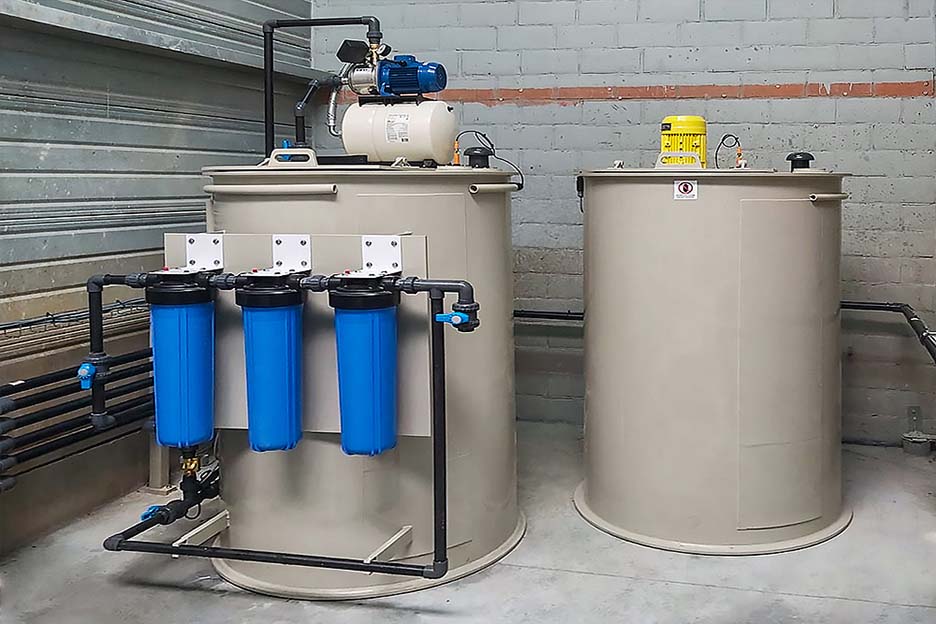
- A wash water recycling system will be designed with a heavy-duty oil-water separator and robust solids-settling tanks as the core components.
- An industrial water recycling system for metal finishing will need to handle heavy metals, requiring chemical precipitation and specialized ion-exchange filtration.
- A commercial water recycling system for a hotel laundry will focus on removing detergents and lint, and may also include heat reclamation—a huge secondary cost-saver.
Step 3: Vendor Selection & Financials
With a design in mind, you can approach vendors. Look for a partner, not just a parts seller. A good vendor should:
- Provide detailed case studies from businesses like yours.
- Have local service and support.
- Offer a detailed, transparent ROI proposal based on your water audit data.
Step 4: Installation & Commissioning
This is the construction phase. A serious commercial water recycling system requires more than just a simple hookup. It often involves:
- Civil Work: Cutting concrete to install underground collection pits, sumps, and trenches.
- Plumbing: Connecting all the treatment stages, pumps, and holding tanks.
- Electrical: Providing power for pumps, blowers, and control panels.
Step 5: Training & Handoff
A water recycling system is not a "set it and forget it" appliance. It is a miniature water treatment plant, and it requires routine maintenance. Your vendor's job isn't done until your on-site staff is fully trained on:
- Daily checks (e.g., checking pressure gauges, observing water clarity).
- Weekly tasks (e.g., checking chemical levels, emptying sludge from a separator).
- Long-term tasks (e.g., changing filters, servicing pumps).