
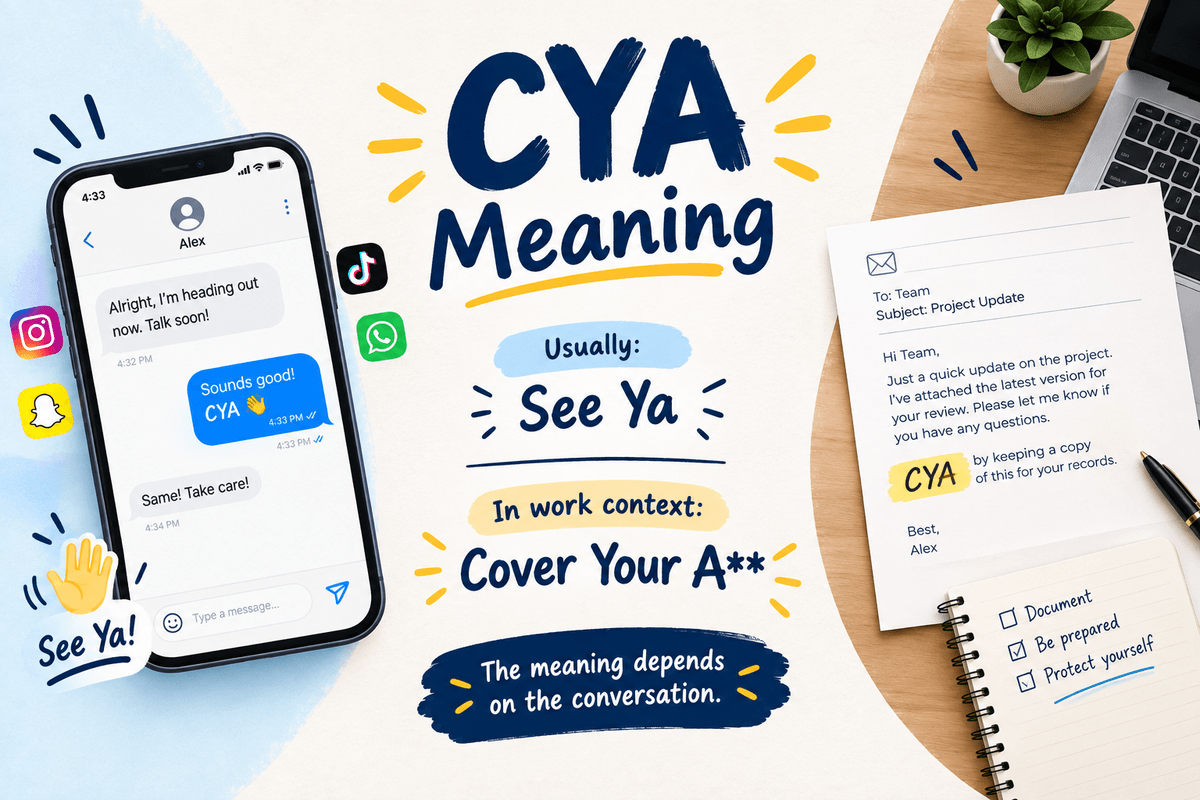
Ending a conversation online can be meaningful. A simple goodbye can show warmth, friendship, politeness, or even a desire to leave quickly. As messaging has become part of everyday life, people have developed shorter and more relaxed ways to close conversations. These expressions reflect relationships, habits, and digital communication.
Why Online Goodbyes Became Casual
Traditional goodbyes can sound formal when used in a quick message. People chatting with friends usually do not need a long closing statement. A short phrase can show that the conversation is finished while keeping the mood comfortable.
Messaging also happens quickly. People may simply need to return to work, study, or another task. Casual farewells make it easy to leave without making the ending feel overly serious.
Short Expressions Save Time
Digital communication encourages efficiency. Users often send several messages instead of writing one long paragraph. Because conversations move rapidly, short farewell expressions fit naturally into this pattern.
Shortened phrases allow people to communicate the same idea with fewer characters. Once an expression becomes familiar, readers can understand it immediately without needing an explanation.
Friendships Influence Farewell Styles
The relationship between two people strongly affects how they say goodbye. Close friends may use playful words, emojis, jokes, or shortened expressions. People who do not know each other well may choose something more neutral.
This allows a goodbye to match the relationship. A casual phrase can make a friendship feel comfortable, while a more complete closing may be appropriate when speaking with someone unfamiliar.
What Casual Language Can Communicate
A digital farewell does more than signal that a conversation is ending. It can also communicate attitude. A friendly expression may suggest that the person expects to talk again soon, while a brief response could simply indicate that they are busy.
Someone looking into the cya meaning will generally find it connected with “see ya,” an informal way of saying “see you.” It works naturally in relaxed conversations because it sounds friendly without a formal closing.
Emojis Add Emotional Meaning
Emojis have changed the way people end digital conversations. A waving hand, smiling face, or heart can make a short goodbye feel warmer. They provide emotional information that text sometimes lacks.
For example, a simple farewell followed by a smile may feel more welcoming than the same words without any additional signal. Details can influence how a message is received.
Context Changes the Message
The same goodbye can have different meanings depending on the conversation. If two friends have been joking, a short farewell may simply continue the playful mood. During an argument, however, the same wording might feel distant or abrupt.
Readers should consider previous messages, punctuation, emojis, and relationships. Context helps reveal whether the farewell is friendly, rushed, humorous, or emotionally distant.
Social Media Shapes Digital Habits
Social media platforms have helped casual expressions spread between different communities. Users see farewell phrases in comments, direct messages, videos, and group conversations. Repeated exposure makes them familiar.
Trends can introduce creative ways to leave conversations. Some become widely recognized, while others remain connected to particular communities.
Formal Situations Need Different Closings
Casual farewells are useful, but they are not suitable everywhere. Professional emails, customer communication, academic messages, and formal requests require appropriate closing language.
Knowing when to change communication style is important. A person can use relaxed expressions with friends while choosing respectful and complete wording in formal situations.
Digital Goodbyes Keep Evolving
Language changes as people find new ways to communicate. New apps and social platforms will likely introduce more expressions, reactions, and visual tools for ending conversations.
Casual goodbyes will remain important because people want messages to feel natural. A farewell can close a conversation while still maintaining connection. Whether brief, playful, or paired with an emoji, the best expression fits the relationship and situation.
Understanding these habits makes online conversations easier to interpret. Casual goodbyes may contain only a few words, but they can still communicate personality, emotion, and social connection. As digital communication continues growing, people will keep adapting familiar language to make everyday interactions feel faster, warmer, and more natural.