
Professional medical office cleaning in Westchester County is important because it helps maintain hygienic patient environments, reduce the spread of surface contamination, support infection-prevention practices, and create a clean, reassuring atmosphere for patients and healthcare professionals.
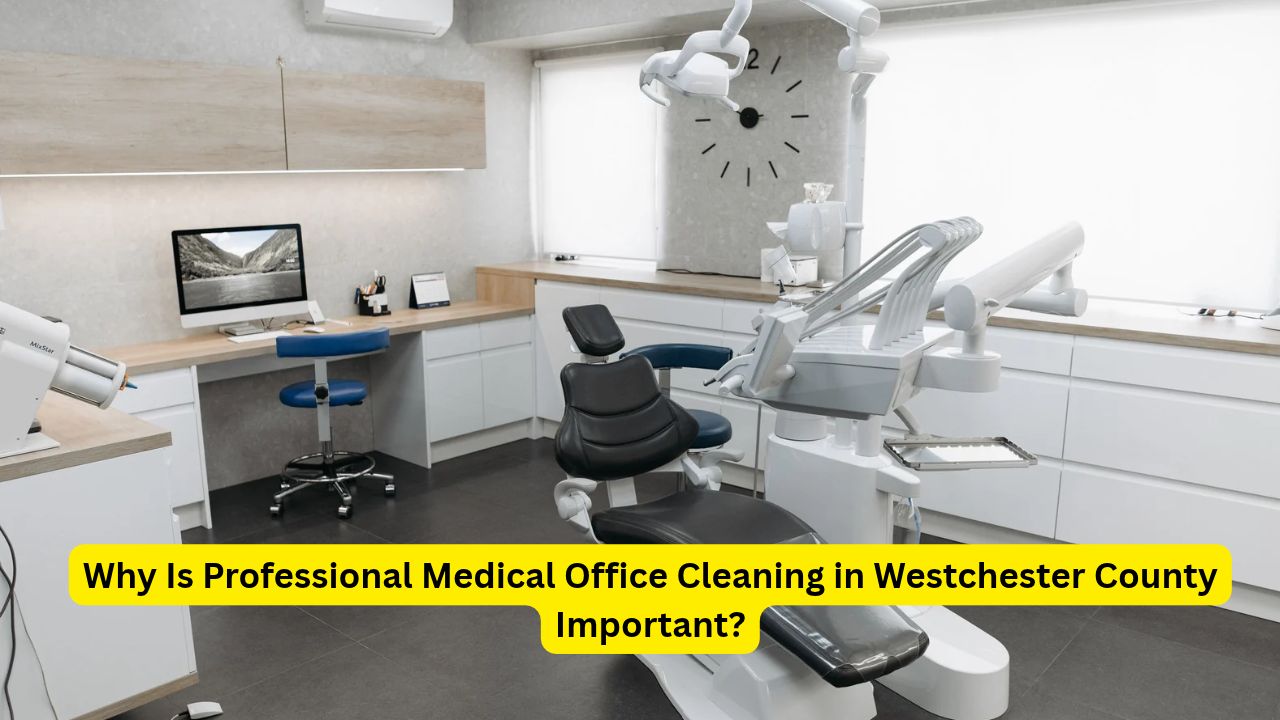
Medical facilities require more than routine office maintenance. They need structured cleaning procedures, appropriate disinfection products, trained personnel, and consistent quality monitoring. Healthcare-focused providers such as WOW! Facility Services offer customized cleaning programs designed around patient flow, facility operations, and healthcare cleaning priorities.
Medical offices receive patients with different healthcare needs throughout the day. Examination rooms, waiting areas, reception counters, restrooms, treatment spaces, and administrative offices all experience regular use. Without an appropriate cleaning program, dust, debris, spills, and contaminants can accumulate across these shared environments.
Professional cleaning helps medical practices maintain consistent facility standards while allowing clinical staff to concentrate on patient care. Understanding its importance can help practice owners and facility managers make better decisions about their cleaning requirements.
1. Helps Reduce the Risk of Infection Transmission
One of the primary reasons medical offices need professional cleaning is the importance of infection prevention. Patients, healthcare workers, visitors, and administrative employees regularly interact with shared surfaces and spaces.
Frequently touched areas may include:
Professional cleaning teams can follow documented schedules, use suitable products, and apply disinfection procedures according to manufacturer instructions. This supports the facility's broader infection-prevention efforts.
Cleaning alone does not eliminate every infection risk, but consistent environmental maintenance is an important part of maintaining a healthcare setting.
2. Creates a Safer Environment for Patients and Staff
Patients visit medical offices for consultations, examinations, treatments, and follow-up appointments. Some may have limited mobility, weakened immune systems, or additional environmental care requirements.
A poorly maintained facility can create avoidable concerns, including dirty floors, overflowing waste containers, unpleasant restroom conditions, and neglected high-touch surfaces.
Professional medical cleaning helps address these everyday facility issues through regular maintenance.
Important cleaning responsibilities may include:
A well-maintained environment supports the comfort of patients and the daily work of healthcare professionals.
3. Improves Patient Confidence and First Impressions
A medical office's cleanliness can influence how patients perceive the quality and professionalism of a practice.
The reception area is often the first space patients encounter. Dusty furniture, dirty floors, unpleasant odors, or poorly maintained restrooms may create a negative impression before an appointment even begins.
A clean and organized environment can help patients feel more comfortable and confident about their surroundings.
Professional cleaning supports a positive patient experience by maintaining:
Consistent cleanliness also demonstrates that the practice takes its environment and patient comfort seriously.
4. Supports Healthcare Cleaning and Compliance Requirements
Medical facilities operate under specific safety, sanitation, and infection-prevention expectations. Cleaning procedures should support the facility's applicable policies and regulatory obligations.
A professional healthcare cleaning provider should understand that different areas require different approaches. An examination room, reception area, restroom, and administrative office should not automatically receive identical treatment.
A structured cleaning program can support compliance-related practices through:
A janitorial provider should coordinate with practice management rather than independently determine clinical infection-control requirements.
Frequently Asked Questions
Why is professional medical office cleaning important?
Professional medical office cleaning helps maintain hygienic environments, supports infection-prevention practices, improves patient comfort, and keeps shared spaces organized. It also allows healthcare employees to focus on clinical and administrative responsibilities.
How often should a medical office be professionally cleaned?
Cleaning frequency depends on patient volume, facility size, operating hours, and the type of healthcare services provided. Many practices require daily janitorial cleaning, while frequently touched surfaces and high-traffic areas may need attention more often.
What areas of a medical office need the most cleaning attention?
High-priority areas commonly include examination rooms, waiting rooms, reception counters, restrooms, door handles, elevators, and other frequently touched surfaces. The exact priorities should be established through the facility's infection-prevention and cleaning procedures.
Is regular office cleaning enough for a medical facility?
Not always. Medical environments may require more structured cleaning procedures, healthcare-specific staff training, appropriate disinfection products, and clearly documented responsibilities. The cleaning plan should reflect the facility's actual requirements.
Can professional cleaners work during medical office hours?
Yes. Some providers offer daytime janitorial and porter services that can be coordinated around patient appointments. Other tasks may be scheduled before opening, after closing, or overnight to minimize disruption.
What should a medical practice ask before hiring a cleaning company?
A practice should ask about healthcare cleaning experience, employee training, disinfection procedures, insurance, scheduling, quality inspections, service documentation, and communication arrangements.
Conclusion
Professional medical office cleaning in Westchester County plays an important role in maintaining hygienic facilities, supporting infection-prevention practices, protecting the patient experience, and keeping daily operations organized. From examination rooms and waiting areas to restrooms and shared surfaces, every space requires an appropriate cleaning approach.
Medical practices should choose a provider that understands healthcare environments, uses documented procedures, trains its employees, and adapts services to patient flow and facility requirements.
WOW! Facility Services offers customized healthcare cleaning and facility support designed around the needs of medical offices and other patient-facing environments. With an appropriate cleaning plan and consistent service oversight, medical practices can maintain cleaner, more welcoming spaces for patients, employees, and visitors.
Medical facilities require more than routine office maintenance. They need structured cleaning procedures, appropriate disinfection products, trained personnel, and consistent quality monitoring. Healthcare-focused providers such as WOW! Facility Services offer customized cleaning programs designed around patient flow, facility operations, and healthcare cleaning priorities.
Medical offices receive patients with different healthcare needs throughout the day. Examination rooms, waiting areas, reception counters, restrooms, treatment spaces, and administrative offices all experience regular use. Without an appropriate cleaning program, dust, debris, spills, and contaminants can accumulate across these shared environments.
Professional cleaning helps medical practices maintain consistent facility standards while allowing clinical staff to concentrate on patient care. Understanding its importance can help practice owners and facility managers make better decisions about their cleaning requirements.
1. Helps Reduce the Risk of Infection Transmission
One of the primary reasons medical offices need professional cleaning is the importance of infection prevention. Patients, healthcare workers, visitors, and administrative employees regularly interact with shared surfaces and spaces.
Frequently touched areas may include:
- Door handles and entrance surfaces
- Reception counters
- Waiting-room chairs
- Examination tables
- Light switches
- Handrails
- Restroom fixtures
- Shared equipment surfaces
Professional cleaning teams can follow documented schedules, use suitable products, and apply disinfection procedures according to manufacturer instructions. This supports the facility's broader infection-prevention efforts.
Cleaning alone does not eliminate every infection risk, but consistent environmental maintenance is an important part of maintaining a healthcare setting.
2. Creates a Safer Environment for Patients and Staff
Patients visit medical offices for consultations, examinations, treatments, and follow-up appointments. Some may have limited mobility, weakened immune systems, or additional environmental care requirements.
A poorly maintained facility can create avoidable concerns, including dirty floors, overflowing waste containers, unpleasant restroom conditions, and neglected high-touch surfaces.
Professional medical cleaning helps address these everyday facility issues through regular maintenance.
Important cleaning responsibilities may include:
- Keeping floors free from avoidable dirt and debris
- Addressing spills promptly
- Maintaining clean waiting areas
- Sanitizing designated surfaces
- Cleaning and replenishing restrooms
- Removing general waste appropriately
- Maintaining entrances and corridors
A well-maintained environment supports the comfort of patients and the daily work of healthcare professionals.
3. Improves Patient Confidence and First Impressions
A medical office's cleanliness can influence how patients perceive the quality and professionalism of a practice.
The reception area is often the first space patients encounter. Dusty furniture, dirty floors, unpleasant odors, or poorly maintained restrooms may create a negative impression before an appointment even begins.
A clean and organized environment can help patients feel more comfortable and confident about their surroundings.
Professional cleaning supports a positive patient experience by maintaining:
- Clean reception desks and waiting areas
- Presentable seating and furniture
- Clear and well-maintained entrances
- Clean examination and consultation spaces
- Hygienic restroom facilities
- Fresh and orderly common areas
Consistent cleanliness also demonstrates that the practice takes its environment and patient comfort seriously.
4. Supports Healthcare Cleaning and Compliance Requirements
Medical facilities operate under specific safety, sanitation, and infection-prevention expectations. Cleaning procedures should support the facility's applicable policies and regulatory obligations.
A professional healthcare cleaning provider should understand that different areas require different approaches. An examination room, reception area, restroom, and administrative office should not automatically receive identical treatment.
A structured cleaning program can support compliance-related practices through:
- Written cleaning procedures
- Clearly defined responsibilities
- Appropriate product selection
- Staff training
- Documented cleaning schedules
- Supervisor inspections
- Corrective-action procedures
A janitorial provider should coordinate with practice management rather than independently determine clinical infection-control requirements.
Frequently Asked Questions
Why is professional medical office cleaning important?
Professional medical office cleaning helps maintain hygienic environments, supports infection-prevention practices, improves patient comfort, and keeps shared spaces organized. It also allows healthcare employees to focus on clinical and administrative responsibilities.
How often should a medical office be professionally cleaned?
Cleaning frequency depends on patient volume, facility size, operating hours, and the type of healthcare services provided. Many practices require daily janitorial cleaning, while frequently touched surfaces and high-traffic areas may need attention more often.
What areas of a medical office need the most cleaning attention?
High-priority areas commonly include examination rooms, waiting rooms, reception counters, restrooms, door handles, elevators, and other frequently touched surfaces. The exact priorities should be established through the facility's infection-prevention and cleaning procedures.
Is regular office cleaning enough for a medical facility?
Not always. Medical environments may require more structured cleaning procedures, healthcare-specific staff training, appropriate disinfection products, and clearly documented responsibilities. The cleaning plan should reflect the facility's actual requirements.
Can professional cleaners work during medical office hours?
Yes. Some providers offer daytime janitorial and porter services that can be coordinated around patient appointments. Other tasks may be scheduled before opening, after closing, or overnight to minimize disruption.
What should a medical practice ask before hiring a cleaning company?
A practice should ask about healthcare cleaning experience, employee training, disinfection procedures, insurance, scheduling, quality inspections, service documentation, and communication arrangements.
Conclusion
Professional medical office cleaning in Westchester County plays an important role in maintaining hygienic facilities, supporting infection-prevention practices, protecting the patient experience, and keeping daily operations organized. From examination rooms and waiting areas to restrooms and shared surfaces, every space requires an appropriate cleaning approach.
Medical practices should choose a provider that understands healthcare environments, uses documented procedures, trains its employees, and adapts services to patient flow and facility requirements.
WOW! Facility Services offers customized healthcare cleaning and facility support designed around the needs of medical offices and other patient-facing environments. With an appropriate cleaning plan and consistent service oversight, medical practices can maintain cleaner, more welcoming spaces for patients, employees, and visitors.