
Your car survived the accident. The bumper repair is complete, and the visible damage has been fixed. But there's a hidden danger that many drivers overlook after collision repair: misaligned wheels. This seemingly minor issue can escalate into a life-threatening situation, putting you and your passengers at serious risk on the road.
Wheel alignment affects far more than just tire wear. When your vehicle's wheels aren't properly aligned after a collision, you're driving with compromised safety systems that could fail when you need them most. Understanding the critical importance of post-collision alignment checks isn't just about vehicle maintenance—it's about protecting the people who matter most to you.
The Hidden Dangers of Misaligned Wheels
Tire Blowouts: A Recipe for Disaster
Misaligned wheels create uneven tire wear patterns that weaken your tires over time. The constant stress on specific areas of the tire can cause catastrophic failure, leading to sudden blowouts at highway speeds. Unlike gradual tire deflation, a blowout happens instantly, causing drivers to lose control of their vehicle.
Statistics show that tire-related crashes result in approximately 11,000 injuries annually. Many of these incidents stem from preventable issues like misalignment that develops after minor collisions or impacts.
Compromised Vehicle Handling
When wheels aren't properly aligned, your vehicle fights against you constantly. The steering wheel may pull to one side, requiring constant correction to maintain straight-line driving. This creates driver fatigue and reduces reaction time during emergency situations.
More critically, misalignment affects your vehicle's ability to respond predictably during sudden maneuvers. Emergency braking, swerving to avoid obstacles, or navigating sharp turns becomes unpredictable when your wheels aren't working in harmony.
Increased Stopping Distance
Proper wheel alignment ensures that your tires maintain optimal contact with the road surface. When alignment is off, this contact patch becomes uneven, reducing your vehicle's braking efficiency. The extra few feet of stopping distance could mean the difference between a close call and a serious accident.
What Causes Wheel Misalignment After Collisions
Impact Forces and Structural Damage
Even minor fender-benders can knock your wheels out of alignment. The force of impact travels through your vehicle's frame, affecting suspension components and wheel positioning. What looks like simple bumper repair on the surface may have caused significant alignment issues underneath.
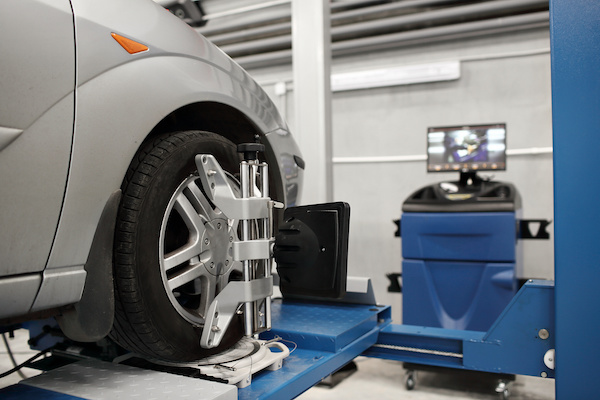
Collision repair shops often focus on visible damage first, but the underlying structural integrity requires equal attention. A professional auto repair shop should always check alignment after any collision work.
Hidden Suspension Damage
Collisions can bend or damage suspension components that aren't immediately visible. Struts, springs, and control arms may suffer damage that only becomes apparent through alignment measurements. These components work together to maintain proper wheel positioning, and damage to any one part affects the entire system.
Frame Distortion
Severe collisions can actually bend your vehicle's frame, creating permanent alignment issues that require specialized correction. Frame damage isn't always obvious, which is why professional inspection after any significant impact is crucial.
Beyond Collisions: Other Alignment Culprits
Pothole Damage
Hitting a pothole at speed can instantly knock your wheels out of alignment. The sudden impact can bend suspension components or shift wheel positioning, creating the same safety risks as collision damage.
Normal Wear and Tear
Over time, suspension components naturally wear down, causing gradual alignment changes. While less dramatic than collision damage, this gradual shift can still create safety hazards and should be addressed during regular maintenance.
Curb Strikes and Parking Lot Mishaps
Those "minor" encounters with curbs or parking barriers can cause significant alignment problems. Many drivers dismiss these incidents as cosmetic issues, not realizing the potential safety implications.
Recognizing the Warning Signs
Steering Wheel Symptoms
Your steering wheel provides the most obvious clues about alignment problems. If it pulls to one side during straight-line driving, sits crooked when driving straight, or vibrates at certain speeds, alignment issues are likely present.
Tire Wear Patterns
Inspect your tires regularly for uneven wear patterns. Excessive wear on the inside or outside edges indicates alignment problems. Cupping or scalloping patterns suggest more severe issues that require immediate attention.
Vehicle Handling Changes
Pay attention to how your vehicle feels while driving. Does it seem to wander or require constant steering corrections? These subtle changes often indicate developing alignment problems.
The Professional Alignment Process
Comprehensive Inspection
A reputable auto repair shop begins with a thorough inspection of your vehicle's suspension system. This includes checking for damaged components, measuring current alignment specifications, and identifying any underlying issues that need attention.
Precision Measurement
Modern alignment equipment uses laser technology to measure wheel angles with extreme precision. These measurements are compared to manufacturer specifications to determine exactly what adjustments are needed.
Professional Adjustment
Trained technicians make precise adjustments to bring your wheels back into proper alignment. This process may reveal additional issues that require attention, such as worn suspension components that need replacement.
Benefits of Proper Wheel Alignment
Enhanced Safety Performance
Properly aligned wheels ensure predictable vehicle handling and optimal tire contact with the road. This translates to better braking performance, improved stability during emergency maneuvers, and reduced risk of tire failure.
Extended Tire Life
Correct alignment can double or even triple your tire lifespan by ensuring even wear patterns. This not only saves money but also reduces the risk of unexpected tire failure.
Improved Fuel Efficiency
Misaligned wheels create rolling resistance that forces your engine to work harder. Proper alignment can improve fuel economy by reducing this unnecessary drag.
Better Driving Experience
A properly aligned vehicle requires less effort to drive straight, reducing driver fatigue during long trips. The steering feels more responsive and predictable, making driving more enjoyable and safer.
When to Seek Professional Help
Post-Collision Priority
Any collision, regardless of severity, should trigger an alignment check. Even if the damage seems minimal, hidden alignment issues could compromise your safety. Make wheel alignment part of your collision repair process.
Regular Maintenance Schedule
Most vehicles benefit from alignment checks every 12,000 to 15,000 miles, or whenever you notice symptoms of misalignment. This preventive approach helps catch problems before they become safety hazards.
After Suspension Work
Any work involving suspension components, tire replacement, or steering system repairs should include an alignment check. This ensures all components work together properly.
Choosing the Right Auto Repair Shop
Look for Comprehensive Services
Select an auto repair shop that offers complete collision repair services, including dent repair, bumper repair, and wheels & alignment services. This ensures all aspects of your post-collision needs are addressed by experienced professionals.
Skill Craft Body Shop Inc.
17072 Gothard St. Huntington Beach, CA. 92647
(714) 848-2311
Advanced Equipment and Training
Modern alignment work requires sophisticated equipment and ongoing technician training. Choose a shop that invests in current technology and staff education.
Post-Repair Support
A quality auto repair shop stands behind their work and provides follow-up services to ensure your vehicle remains safe and properly maintained.
Protecting Your Investment and Your Family
Wheel alignment after a collision isn't just about preventing tire wear—it's about ensuring your vehicle can protect you and your passengers when it matters most. The cost of professional alignment service pales in comparison to the potential consequences of driving with compromised wheel alignment.
Your family's safety depends on your vehicle's ability to perform predictably in emergency situations. Don't let hidden alignment issues from a previous collision put them at risk. Contact a professional auto repair shop today to schedule a comprehensive alignment inspection and ensure your vehicle is ready to protect what matters most.
Remember, collision repair isn't complete until every safety system is functioning properly. Make wheel alignment checks a priority after any impact, no matter how minor it may seem. Your life and the lives of your passengers may depend on this critical safety measure.
Wheel alignment affects far more than just tire wear. When your vehicle's wheels aren't properly aligned after a collision, you're driving with compromised safety systems that could fail when you need them most. Understanding the critical importance of post-collision alignment checks isn't just about vehicle maintenance—it's about protecting the people who matter most to you.
The Hidden Dangers of Misaligned Wheels
Tire Blowouts: A Recipe for Disaster
Misaligned wheels create uneven tire wear patterns that weaken your tires over time. The constant stress on specific areas of the tire can cause catastrophic failure, leading to sudden blowouts at highway speeds. Unlike gradual tire deflation, a blowout happens instantly, causing drivers to lose control of their vehicle.
Statistics show that tire-related crashes result in approximately 11,000 injuries annually. Many of these incidents stem from preventable issues like misalignment that develops after minor collisions or impacts.
Compromised Vehicle Handling
When wheels aren't properly aligned, your vehicle fights against you constantly. The steering wheel may pull to one side, requiring constant correction to maintain straight-line driving. This creates driver fatigue and reduces reaction time during emergency situations.
More critically, misalignment affects your vehicle's ability to respond predictably during sudden maneuvers. Emergency braking, swerving to avoid obstacles, or navigating sharp turns becomes unpredictable when your wheels aren't working in harmony.
Increased Stopping Distance
Proper wheel alignment ensures that your tires maintain optimal contact with the road surface. When alignment is off, this contact patch becomes uneven, reducing your vehicle's braking efficiency. The extra few feet of stopping distance could mean the difference between a close call and a serious accident.
What Causes Wheel Misalignment After Collisions
Impact Forces and Structural Damage
Even minor fender-benders can knock your wheels out of alignment. The force of impact travels through your vehicle's frame, affecting suspension components and wheel positioning. What looks like simple bumper repair on the surface may have caused significant alignment issues underneath.
Collision repair shops often focus on visible damage first, but the underlying structural integrity requires equal attention. A professional auto repair shop should always check alignment after any collision work.
Hidden Suspension Damage
Collisions can bend or damage suspension components that aren't immediately visible. Struts, springs, and control arms may suffer damage that only becomes apparent through alignment measurements. These components work together to maintain proper wheel positioning, and damage to any one part affects the entire system.
Frame Distortion
Severe collisions can actually bend your vehicle's frame, creating permanent alignment issues that require specialized correction. Frame damage isn't always obvious, which is why professional inspection after any significant impact is crucial.
Beyond Collisions: Other Alignment Culprits
Pothole Damage
Hitting a pothole at speed can instantly knock your wheels out of alignment. The sudden impact can bend suspension components or shift wheel positioning, creating the same safety risks as collision damage.
Normal Wear and Tear
Over time, suspension components naturally wear down, causing gradual alignment changes. While less dramatic than collision damage, this gradual shift can still create safety hazards and should be addressed during regular maintenance.
Curb Strikes and Parking Lot Mishaps
Those "minor" encounters with curbs or parking barriers can cause significant alignment problems. Many drivers dismiss these incidents as cosmetic issues, not realizing the potential safety implications.
Recognizing the Warning Signs
Steering Wheel Symptoms
Your steering wheel provides the most obvious clues about alignment problems. If it pulls to one side during straight-line driving, sits crooked when driving straight, or vibrates at certain speeds, alignment issues are likely present.
Tire Wear Patterns
Inspect your tires regularly for uneven wear patterns. Excessive wear on the inside or outside edges indicates alignment problems. Cupping or scalloping patterns suggest more severe issues that require immediate attention.
Vehicle Handling Changes
Pay attention to how your vehicle feels while driving. Does it seem to wander or require constant steering corrections? These subtle changes often indicate developing alignment problems.
The Professional Alignment Process
Comprehensive Inspection
A reputable auto repair shop begins with a thorough inspection of your vehicle's suspension system. This includes checking for damaged components, measuring current alignment specifications, and identifying any underlying issues that need attention.
Precision Measurement
Modern alignment equipment uses laser technology to measure wheel angles with extreme precision. These measurements are compared to manufacturer specifications to determine exactly what adjustments are needed.
Professional Adjustment
Trained technicians make precise adjustments to bring your wheels back into proper alignment. This process may reveal additional issues that require attention, such as worn suspension components that need replacement.
Benefits of Proper Wheel Alignment
Enhanced Safety Performance
Properly aligned wheels ensure predictable vehicle handling and optimal tire contact with the road. This translates to better braking performance, improved stability during emergency maneuvers, and reduced risk of tire failure.
Extended Tire Life
Correct alignment can double or even triple your tire lifespan by ensuring even wear patterns. This not only saves money but also reduces the risk of unexpected tire failure.
Improved Fuel Efficiency
Misaligned wheels create rolling resistance that forces your engine to work harder. Proper alignment can improve fuel economy by reducing this unnecessary drag.
Better Driving Experience
A properly aligned vehicle requires less effort to drive straight, reducing driver fatigue during long trips. The steering feels more responsive and predictable, making driving more enjoyable and safer.
When to Seek Professional Help
Post-Collision Priority
Any collision, regardless of severity, should trigger an alignment check. Even if the damage seems minimal, hidden alignment issues could compromise your safety. Make wheel alignment part of your collision repair process.
Regular Maintenance Schedule
Most vehicles benefit from alignment checks every 12,000 to 15,000 miles, or whenever you notice symptoms of misalignment. This preventive approach helps catch problems before they become safety hazards.
After Suspension Work
Any work involving suspension components, tire replacement, or steering system repairs should include an alignment check. This ensures all components work together properly.
Choosing the Right Auto Repair Shop
Look for Comprehensive Services
Select an auto repair shop that offers complete collision repair services, including dent repair, bumper repair, and wheels & alignment services. This ensures all aspects of your post-collision needs are addressed by experienced professionals.
Skill Craft Body Shop Inc.
17072 Gothard St. Huntington Beach, CA. 92647
(714) 848-2311
Advanced Equipment and Training
Modern alignment work requires sophisticated equipment and ongoing technician training. Choose a shop that invests in current technology and staff education.
Post-Repair Support
A quality auto repair shop stands behind their work and provides follow-up services to ensure your vehicle remains safe and properly maintained.
Protecting Your Investment and Your Family
Wheel alignment after a collision isn't just about preventing tire wear—it's about ensuring your vehicle can protect you and your passengers when it matters most. The cost of professional alignment service pales in comparison to the potential consequences of driving with compromised wheel alignment.
Your family's safety depends on your vehicle's ability to perform predictably in emergency situations. Don't let hidden alignment issues from a previous collision put them at risk. Contact a professional auto repair shop today to schedule a comprehensive alignment inspection and ensure your vehicle is ready to protect what matters most.
Remember, collision repair isn't complete until every safety system is functioning properly. Make wheel alignment checks a priority after any impact, no matter how minor it may seem. Your life and the lives of your passengers may depend on this critical safety measure.